

🥗 Order Up! A Conversation with Alina Mauritz, the Creator Behind Hopeful Food Finds and Mom of Two
Alina Mauritz on the gut-brain connection, maternal instinct, and the small food shifts that changed her family’s story.

🚨 Announcing: The One Potato Dinner Edit🚨
You’ve asked, and we’ve been listening — recipes are coming back to your inbox. We’ll be sharing new recipes and cooking inspiration, complete with our signature substitution notes, dietary considerations, and small tips that make busy weeknights feel more doable. Keep an eye out for recipe emails soon, and thanks for your patience as we work on improving all our content!
March is National Nutrition Month! We’re featuring interviews with food industry experts who are parents with a focus on healthy, nutritious goodness for feeding our families.
Small Bites:
🍽️ Make Family Meal Time Easier with Peas & Hoppiness Meal Planning App from our friend Ann Kent. Enjoy the confidence of feeding your family quality food while spending less time, money, and energy thinking about what’s for dinner! Use code ONEPOTATO30 for a 30-day trial. You can also download the Free Peas & Hoppiness Meal Planning Template
👨🍳 Learn more about the Kids Cook Real Food eCourse so your kids can learn how to cook and not simply follow a recipe - give them the life skills to not only survive, but thrive!
🥔 One Potato is a reader-supported newsletter - Subscribe for weekly Order Up! interviews delivered to your inbox!
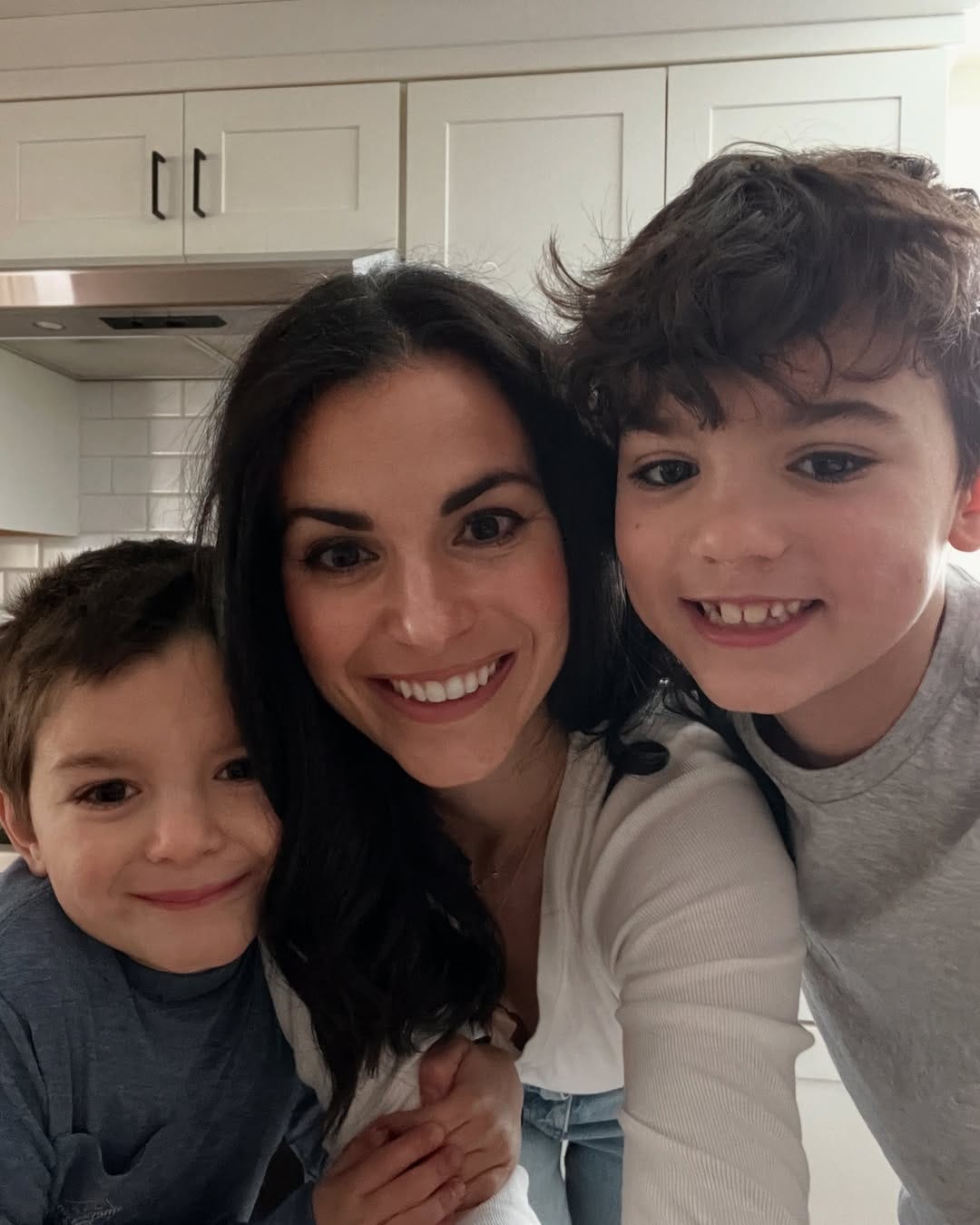
What Food as empowerment and raising thriving kids in real life actually looks like with the creator behind Hopeful Food Finds, Alina Mauritz
When Alina Mauritz’s oldest son wasn’t meeting developmental milestones as a toddler, she was told to “wait and see.” But waiting didn’t sit right. So she started looking at the one thing she could control: the food in her kitchen.
Alina didn’t become a different kind of cook. She changed what she was cooking. She removed highly processed foods, switched the oils she used, focused on whole ingredients, and leaned into routine. It wasn’t glamorous. It wasn’t overnight. And yes, in the early days, it meant packing supplements on vacation and putting cucumbers on a plate for 30 days before they were eaten.
Today, she’s the creator behind Hopeful Food Finds, sharing practical, kid-friendly clean eats for real families. Her son, once predicted to need significant classroom support, is now a thriving nine-year-old athlete with a full social calendar. Life looks very different than it did back then. But that season shaped everything about how she shops, cooks, advocates, and parents.
In this conversation, we talk about maternal instinct, the tension between medical advice and intuition, the discipline of routine, and the eventual release of perfection. Because National Nutrition Month isn’t just about what’s trending on your plate. Sometimes it’s about the quiet, steady decision to start somewhere, and keep going.
A special note from our friends at Peas & Hoppiness:
How the Peas & Hoppiness Non-Diet Family Meal Planning App Works
The Peas & Hoppy Meal Guides app is a weekly plant-forward meal planning app that helps busy families get a healthy dinner on the table. It’s totally customizable: every Thursday you’ll get a new, pre-planned, seasonal menu with fresh meal ideas; you can then add/delete recipes and adjust servings to meet your family’s needs.
Then, you can finalize your made-for-you grocery list IN THE APP. Next, add your family’s staples and cross off items you already have. Take your personalized shopping list to the store or order online.
Enjoy nourishing meals and connect with your family around the dinner table without spending hours planning! Sign Up Now: Use Code ONEPOTATO30 for a free 30-day trial
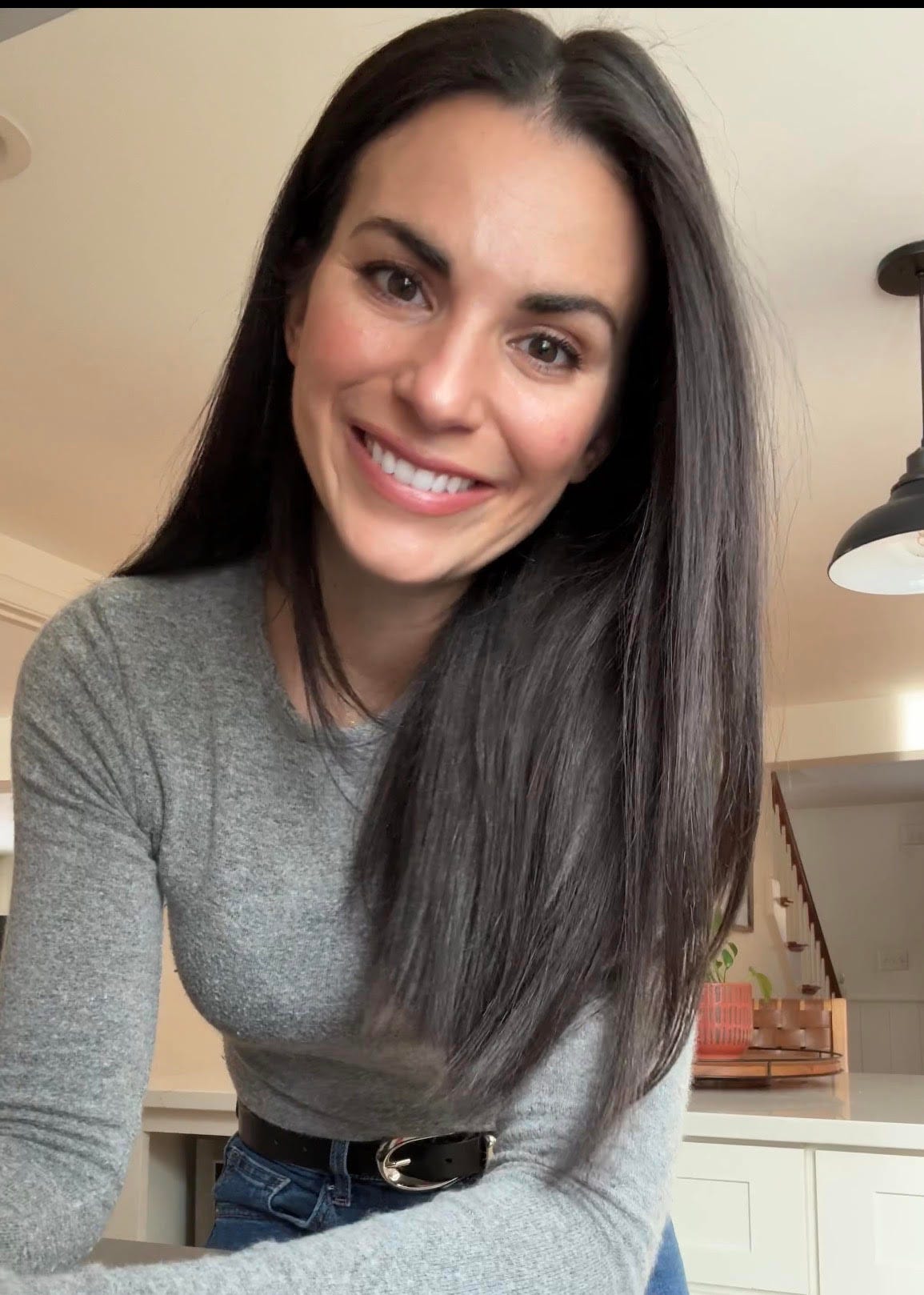
A Conversation with Alina Mauritz, Hopeful Food Finds
Introduce Yourself: I’m Alina Mauritz, the creator behind Hopeful Food Finds. I’m a mom of two boys, ages 6 and 9, and a home cook focused on helping families make nourishing, whole-ingredient meals.
My passion for nutrition deepened while supporting my oldest son through early developmental delays. Prioritizing balanced, gut-healthy foods became one of the ways I supported his growth… and today, he’s thriving. That experience completely reshaped how I approach food at home.
I now share kid-friendly, practical recipes for families who want to cook with intention, avoid highly processed ingredients, and build a positive relationship with food without overcomplicating it.
Take us back to the beginning. What was happening in your family?
When my oldest was about 18 months, I knew something wasn’t quite right. He wasn’t hitting communication milestones. His pediatrician suggested we “wait and see,” but I couldn’t ignore the feeling in my gut.
We started early intervention, and at two and a half, he was diagnosed with autism. He still wasn’t speaking. I remember asking what kindergarten would look like, and hearing that he’d likely need a full-time aide. It felt like the ground dropped out from under me.
I didn’t feel like I was getting much guidance. What I did find was other moms online talking about the gut-brain connection. At the time, my son was an extremely picky eater; goldfish crackers and boxed mac and cheese were staples. I had never really thought about food in a deeper way before that. But once I started learning, something clicked. I realized food was one area I could control.

What did those early changes look like?
I didn’t become a different cook, but I shifted what I was cooking. I removed highly processed foods. I switched the oils we were using and I focused on whole ingredients. It was hard in the beginning especially with a picky eater, but I adopted the mindset that if I didn’t bring it into the house, we wouldn’t be eating it.
I also focused on simple exposure. I put cucumbers on his plate every night for probably a month before he touched them. And then one day, he ate them.
I always tell parents: don’t give up. Keep offering. Exposure works.
You’ve mentioned discovering the Nemechek Protocol. What did that process look like for you?
I first heard about it from another mom. Then the next day, my sister-in-law called asking if I’d heard of it. It felt like a sign.
I ordered the book and read it in one day. It emphasized routine, whole foods, omega-3 supplementation, and prebiotics. It felt like a safe and reasonable approach; honestly, nothing extreme.
Within weeks of implementing dietary changes and supplements, I started seeing progress. His therapists noticed it too. That momentum gave me confidence to keep going.
What did advocating for your son look like?
It meant speaking up at appointments. Asking for more therapies. Doing my own research. It also meant navigating the tension between medical advice and my own intuition. Doctors can only offer so many options. Nutrition felt like a safe place to start. There wasn’t downside to feeding him better.
And that shift from feeling helpless to feeling proactive was huge for me.
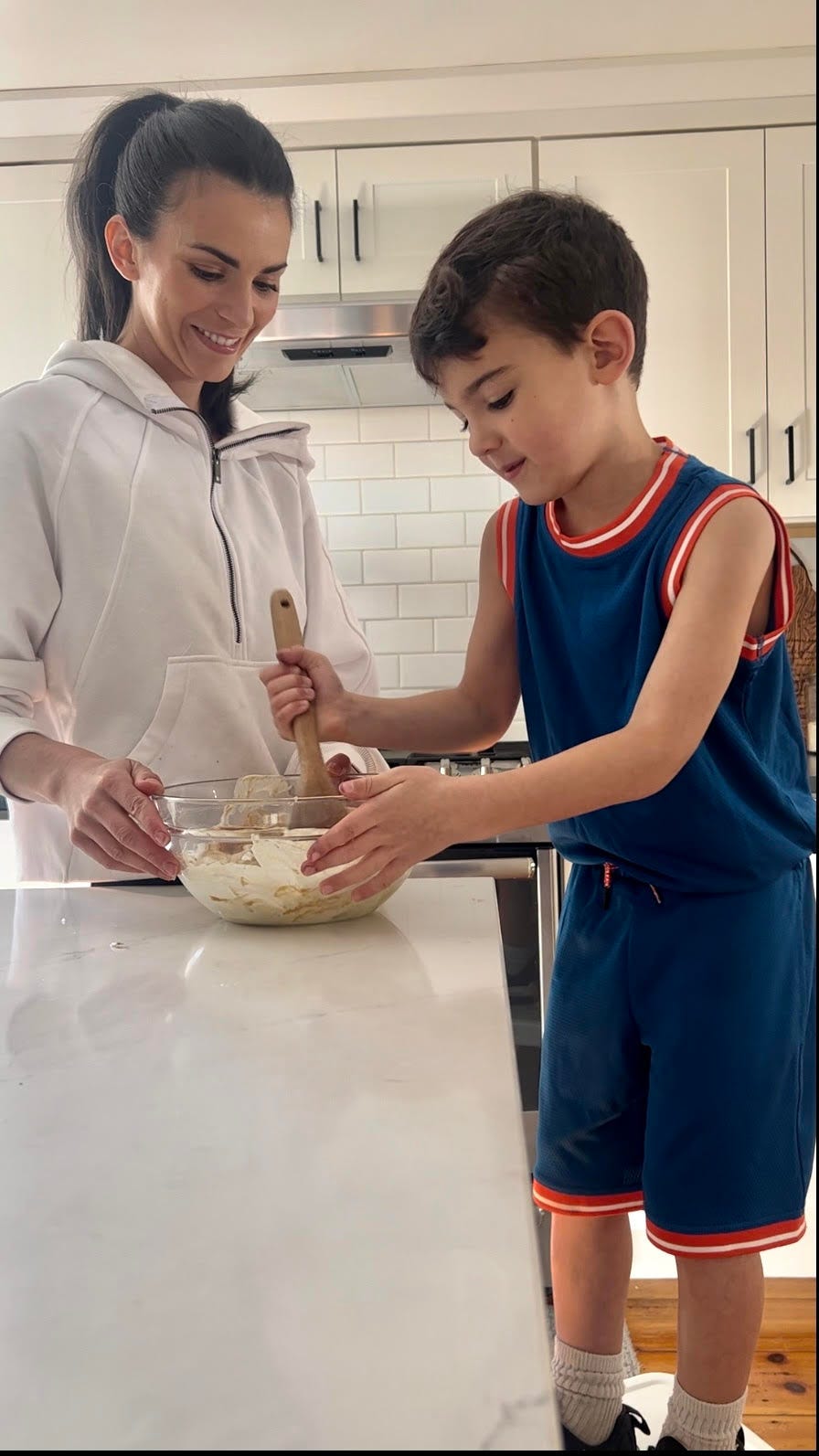
When did you realize he was thriving?
The change wasn’t overnight, but it was steady.
A month after making these nutrition changes, he began picking up words. By age five, he was out of speech therapy. He entered kindergarten without an IEP (Individualized Education Program). Today he’s a strong reader, plays hockey and lacrosse, and has a big group of friends.
Most people would never know he has a diagnosis.
There are still small social-emotional challenges — and I notice them because I’m his mom — but when I look at him now compared to when he was two and a half, it feels nothing short of incredible.
Watching him confident and happy is everything.
Is there a food rule or parenting pressure that you have let go of on this journey?
Yes, especially around perfection. In the beginning, I was very strict. I packed supplements on vacation. I brought olive oil with me when we traveled.
Now? I feel more relaxed about what he eats at special events or special occasions; go to birthday parties. We might grab McDonald’s after hockey games if the boys are really hungry. At home, we stick to our routine. Outside the home, we live our lives. Giving myself grace made this sustainable.

For parents who feel overwhelmed, where should they begin?
Start with one small change.
Swap your cooking oils. Add a fruit and vegetable to every dinner plate. Look at what you’re already making and ask, “How can I make this a little better?” You don’t have to overhaul your entire life overnight. Small, consistent changes build over time.
How has Hopeful Food Finds evolved?
I just celebrated five years!
In the early days, I talked a lot about feeding a picky toddler. Now I have two hungry, athletic boys. The recipes have grown up with them, meaning bigger portions, heartier meals, food that fuels their sports and busy lives.
The mission has stayed the same: make healthy food feel doable for real families.
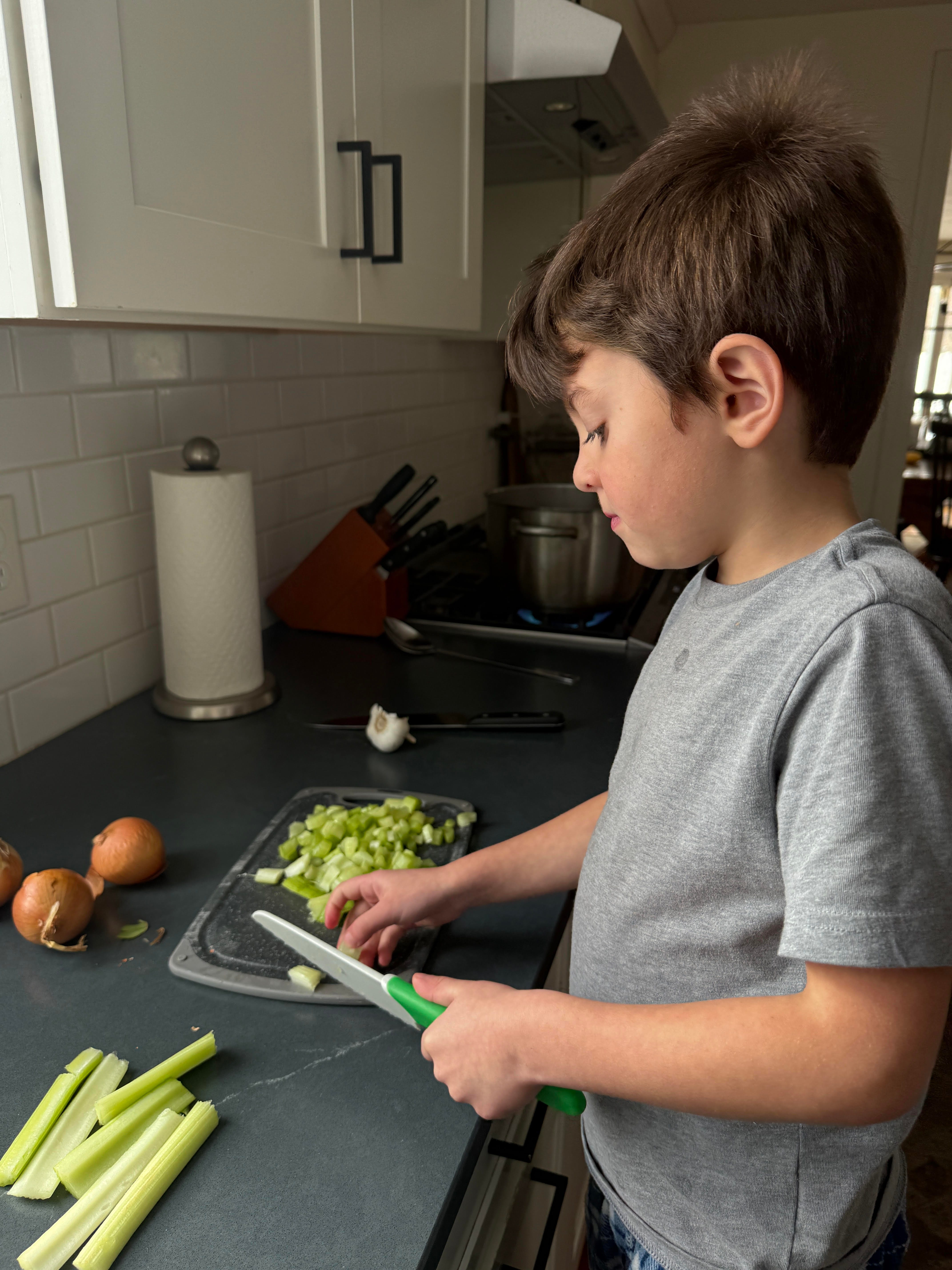
Do your boys cook with you?
They love being in the kitchen. They help prep fruits and vegetables, and they help decide what we’re making for the week. When kids help make something, they’re more likely to try it. That’s been true in our house.
One cooking skill every home cook should practice?
Learn to cook rice well, that’s a good one; we eat a lot of it. And invest in simple tools that make cooking easier. I love fresh garlic, so I use a garlic press. The right tools remove friction, and that makes home cooking more sustainable.