

🍝 Order Up! A Conversation with Ian Tecklin, Founder of Ripi, Entrepreneur, and Dad of Two
Ripi founder Ian Tecklin on raising two young kids while launching a pasta brand that's reinventing the frozen food aisle.

Small Bites:
🍽️ Dinner looks different in every family, and that’s exactly the point. The Peas & Hoppiness Meal Guides & Meal Planning App makes it easy to plan meals that flex around dietary needs, preferences, and picky eaters without starting from scratch every week. Use code ONEPOTATO30 for a 30-day trial. You can also download the Free Peas & Hoppiness Meal Planning Template
🥔 One Potato is a reader-supported newsletter - Subscribe for weekly Order Up! interviews delivered to your inbox!
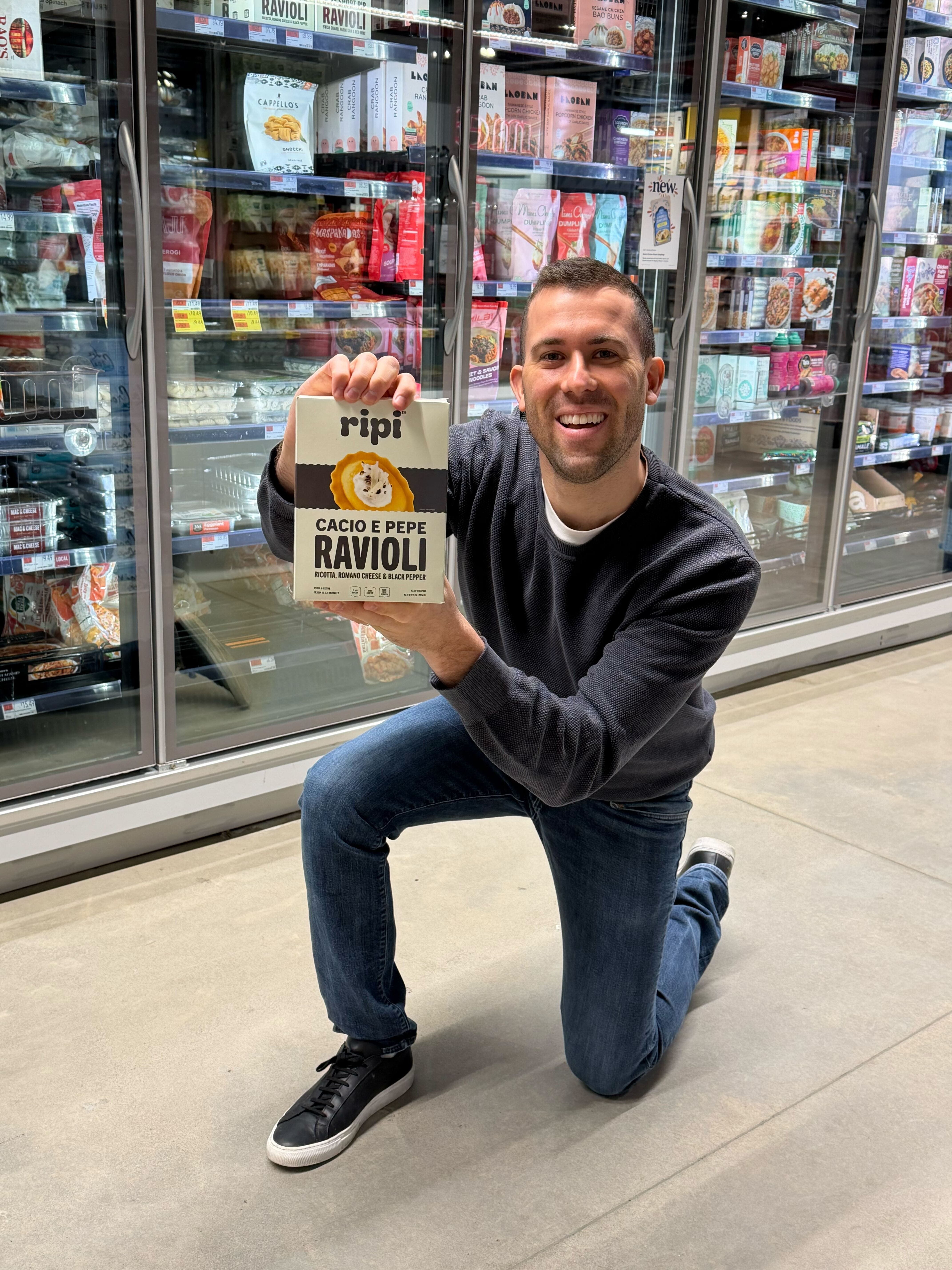
How Ian Tecklin is Elevating Weekly Pasta Night with Ripi
We often talk about the future of family meals in terms of cooking from scratch, farmers markets, and fresh ingredients. But for many parents, the real question is simpler: how do we put something good on the table on a busy weeknight?
That’s the space Ian Tecklin is trying to rethink. He’s also a busy dad!
Ian is the founder and CEO of Ripi, a chef-driven frozen pasta company bringing restaurant-quality pasta to the freezer aisle. Since launching in early 2025, the brand has quickly expanded into thousands of retail locations across the country, part of a growing wave of companies reimagining what frozen food can be. [Find it at Whole Foods on Amazon!, or check out their Store Locator!]
Before starting Ripi, Ian spent years in venture investing and startup incubation, studying how new brands emerge and scale. But the idea that eventually became Ripi started much more simply — in a grocery store aisle during the pandemic, when he realized that frozen pasta hadn’t kept up with how people actually cook and eat today.
In this conversation, Ian reflects on growing up around food in New York, the family dinners that shaped his love of cooking, the leap from investor to founder, and why he believes the freezer aisle is overdue for a reinvention.
A special note from our friends at Peas & Hoppiness:
Peas & Hoppiness Meal Planning That Flexes With Your Family
There’s a lot more to dinner than just nutrition. Between picky eaters, shifting schedules, cravings, and the cost of groceries, most families are juggling more than one variable at the table. The Peas & Hoppiness Meal Guides, created by our friend Ann Kent, was built with that full picture in mind.
Each week, you get a flexible, plant-forward meal plan that you can adjust to fit your family’s real preferences, dietary needs, and rhythms. You can swap recipes, change servings, and build a grocery list that actually reflects how you shop and cook. There’s even a quick Meal Planning Style Quiz to help you find a system that works for you, whether you plan everything or take it day by day. If you’re looking for a way to make dinnertime feel more manageable (and a little less like guesswork), you can explore it here 👉 Sign Up Now: Use Code ONEPOTATO30 for a free 30-day trial

A Conversation with Ian Tecklin, Founder of Ripi Pasta
Introduce Yourself: I’m Ian Tecklin, the founder of Ripi. I live in NYC with my wife and our two young kids — a two-year-old and a four-month-old — plus a three-year-old dog. Life at home is busy and growing fast.
Ripi is a frozen pasta company focused on bringing restaurant-quality pasta to the freezer aisle.
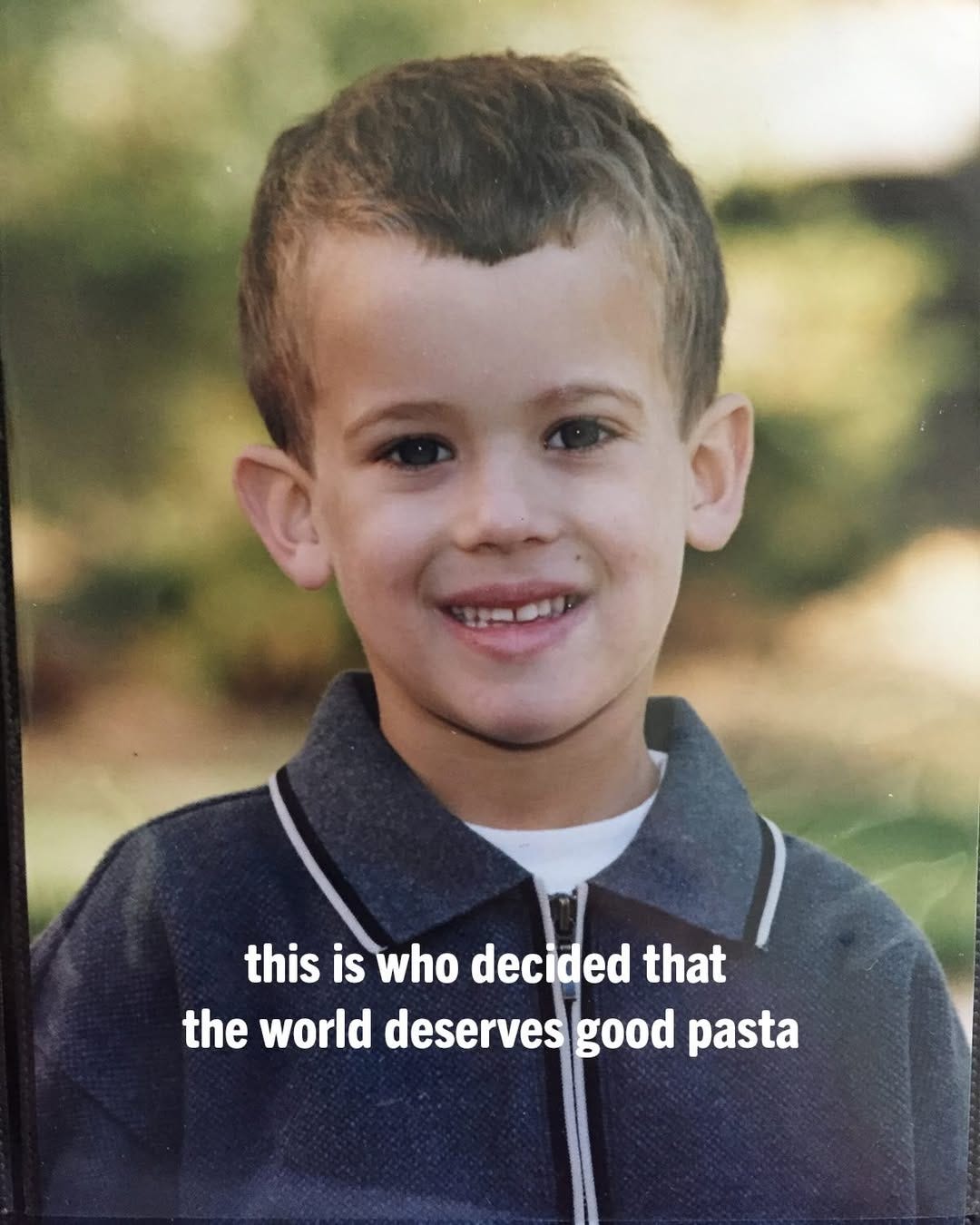
When you think back to food growing up, where did that passion start for you? What did dinner look like in your house as a kid?
Food was always a huge part of my life growing up, and even though I’m passionate about pasta, I didn’t grow up in an Italian household — I was raised in a Jewish family. Food and family are such an important part of both cultures.
My mom cooked dinner every night, even though both of my parents worked full-time. I remember watching her come home after a long day and somehow pull together meals that felt effortless but still really delicious and thoughtful.
My dad had a different relationship with food. He loved discovering restaurants and would clip reviews out of the New York Times and take us to try new places all over the city. They weren’t always fancy restaurants — just great food in all kinds of neighborhoods.
Those experiences opened my eyes early to how food connects people, cultures, stories, and families.
Pasta was a regular part of our weekly dinners. Like a lot of families, we ate dried pasta at home, and it was a reliable staple.
You’ve talked about being an adventurous eater growing up. How has that shaped how you think about feeding your own kids now?
Trying new foods has always been a big philosophy for me. I even wrote my college essay about being an adventurous eater.
My belief is simple: try everything once. Maybe even try it twice. If you don’t like it after that, fine — but at least give it a chance.
Now that I have kids, I think about that a lot. My daughter is still young, but it’s fun to see her curiosity around food already. When we order sushi or dumplings or something different, she wants to try it.
Of course, most nights she’s eating a pretty normal kid meal with a protein, starch, and dairy. But on the nights when we treat ourselves to something special, she gets to share in that experience too.
Before founding Ripi, you spent years in venture investing and startup incubation. What made you decide to build something in the food world, and specifically in frozen pasta?
The idea for Ripi started during the summer of 2020, right in the middle of COVID. Restaurants were closed and people were cooking at home more than ever. I was in a grocery store looking at the frozen pasta options and felt completely uninspired.
As someone who grew up in New York eating incredible pasta at restaurants like Lilia or Via Carota, I kept thinking: why can’t this quality exist in the freezer aisle?
At the time I was living in Los Angeles and working in corporate development at United Talent Agency, focusing on M&A and growth investments. But when deal flow slowed during COVID, I suddenly had the time to really explore the idea.
I started researching the category — looking at the size of the pasta market, the frozen segment, the competitive landscape. The more I looked into it, the more convinced I became that there was an opportunity.
After some early progress with manufacturers, the project paused for a while. But I kept thinking about it every day. Eventually, I decided if I didn’t try to build it, I would always wonder what could have been.
So in 2023 I dusted off the materials, lined up partners, and committed to launching the business. After fundraising and a year of behind-the-scenes work, Rippy officially launched in early 2025.
When you were studying the market, what changes did you see happening in how people were eating — especially families — that made you feel like this moment was right?
Great question. A few things were happening at the same time.
One was the rise of clean, transparent ingredients. People want foods made with real ingredients they recognize — without preservatives or additives.
Another major shift was in frozen technology. Flash freezing can lock in flavor and texture in ways that weren’t possible years ago. That allows frozen food to become what I think of as a “convenient indulgence.” You can keep it in your freezer for months, drop it in boiling water for a few minutes, and suddenly you have a restaurant-quality meal.
And then there’s the broader trend of people cooking at home more. That really accelerated during COVID, but it hasn’t disappeared.
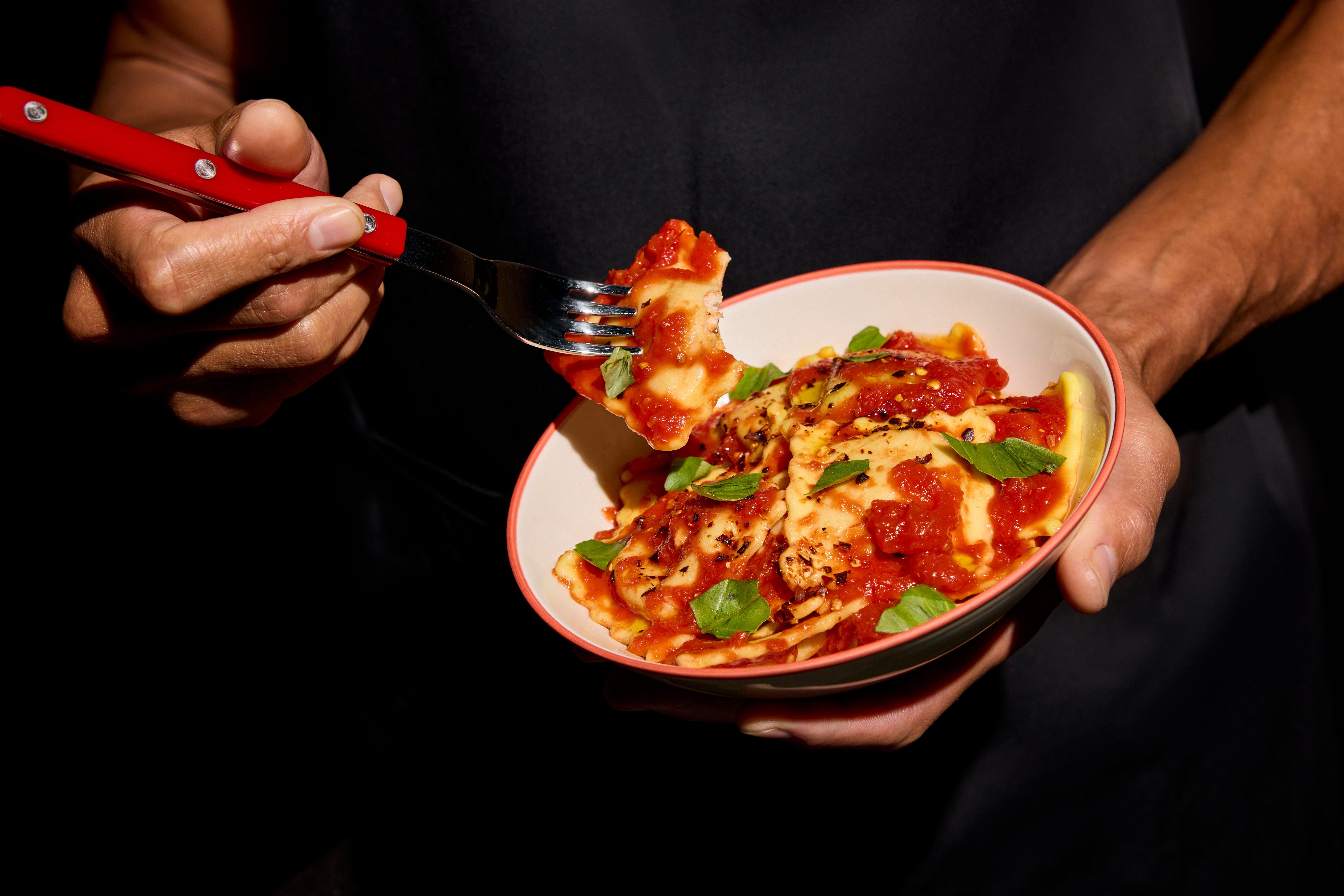
What we’re trying to do with Ripi is combine those trends: real ingredients, restaurant-inspired flavors, and the convenience of something you can keep in your freezer and cook in a few minutes.
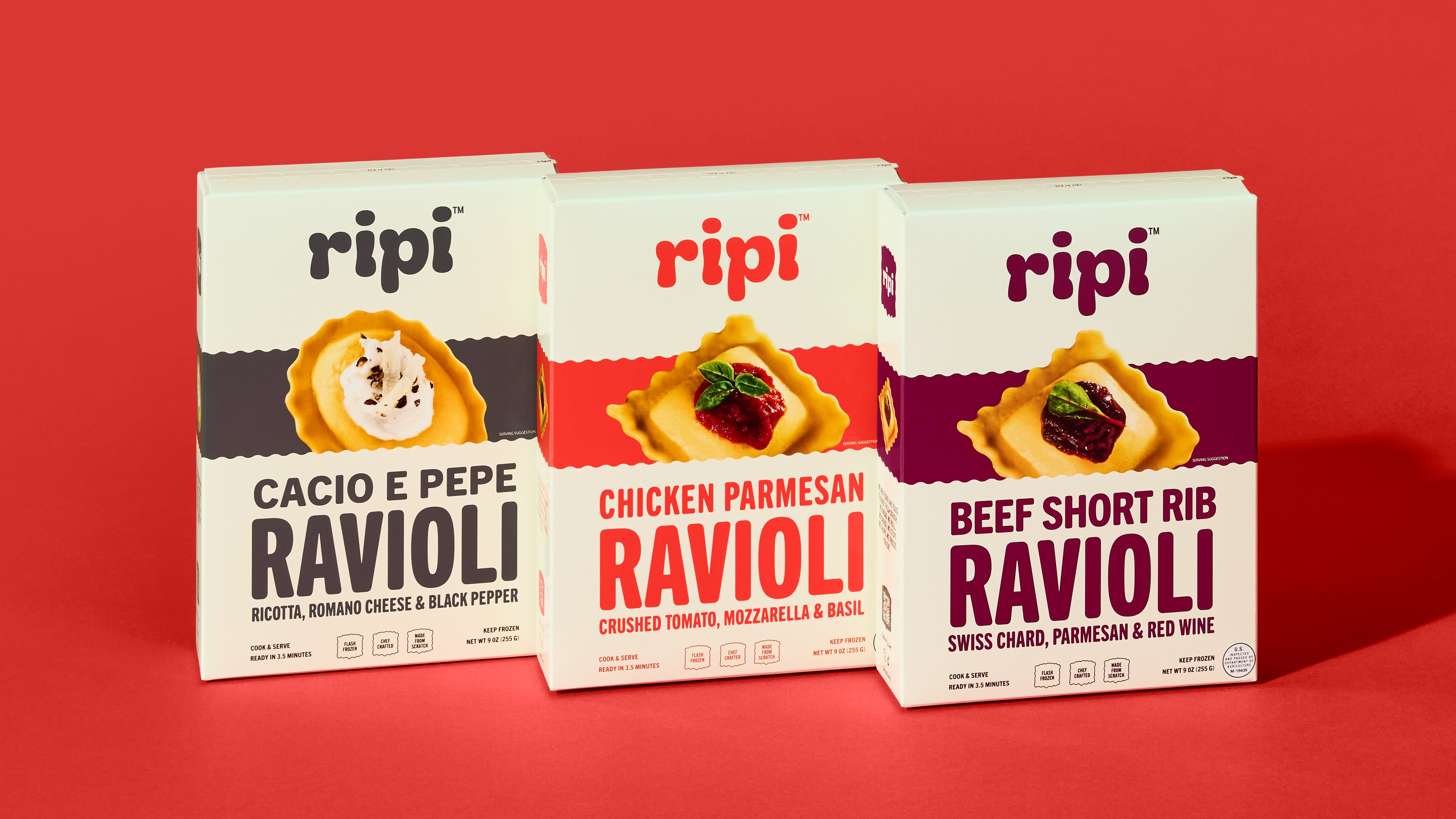
When you launched Ripi, how did you decide which flavors to start with?
From the beginning, we wanted to strike a balance between elevated flavors and familiar comfort. The idea is that each flavor feels restaurant-inspired but still approachable for home cooks.
Our first three ravioli were:
Braised Short Rib Ravioli with Swiss chard, parmesan, and red wine
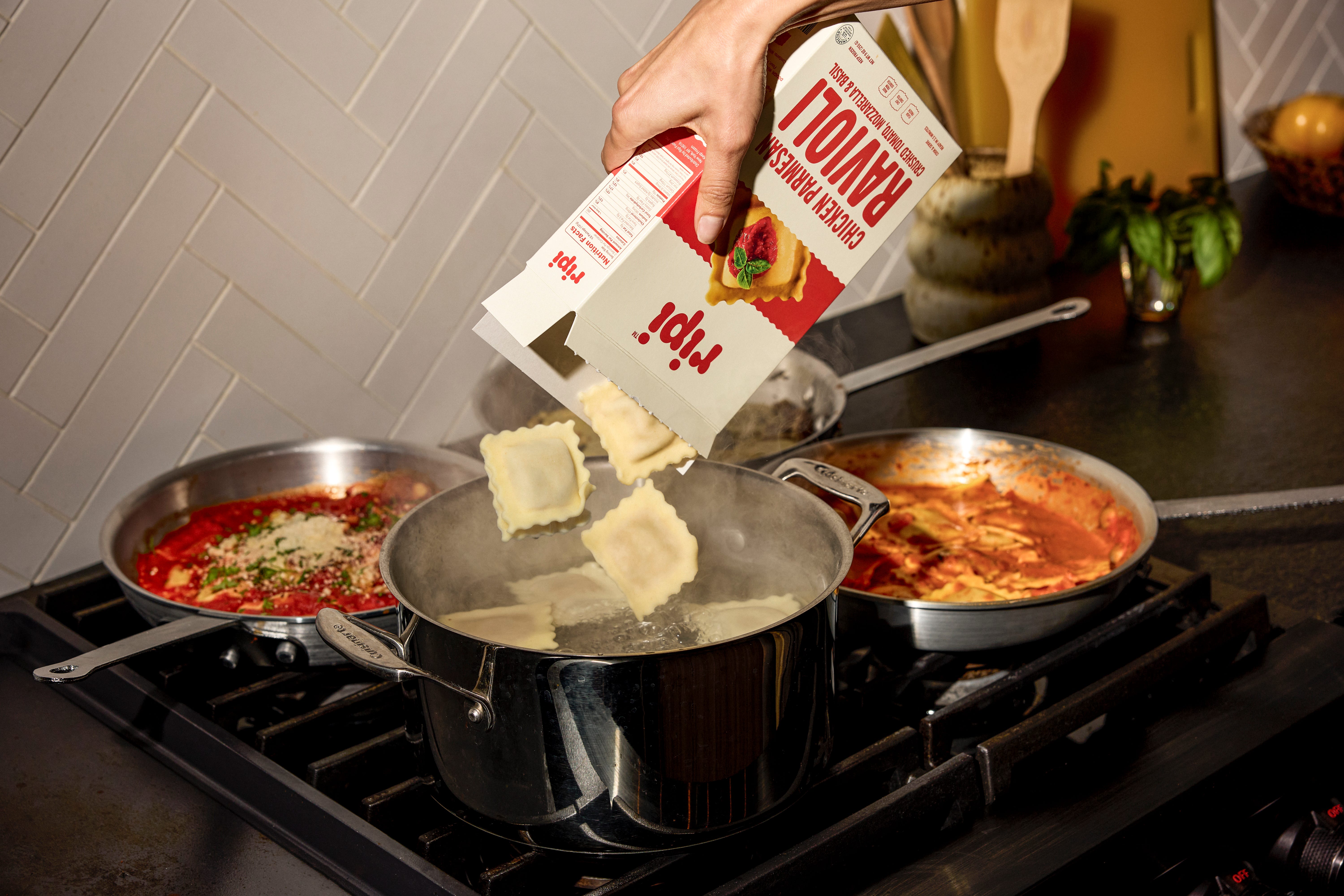
Chicken Parm Ravioli with crushed tomatoes, mozzarella, and basil
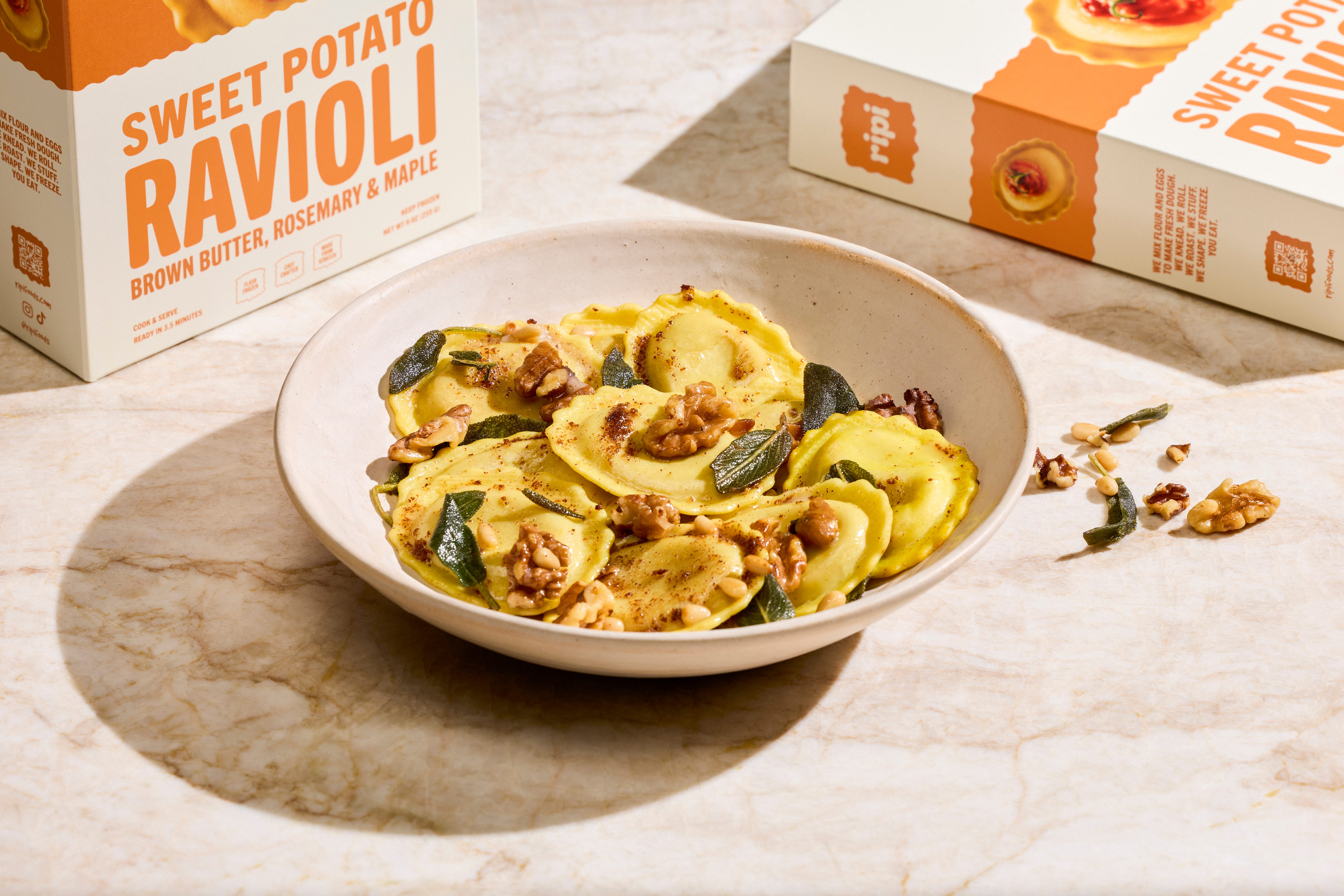
Sweet Potato Ravioli with brown butter, rosemary, and maple
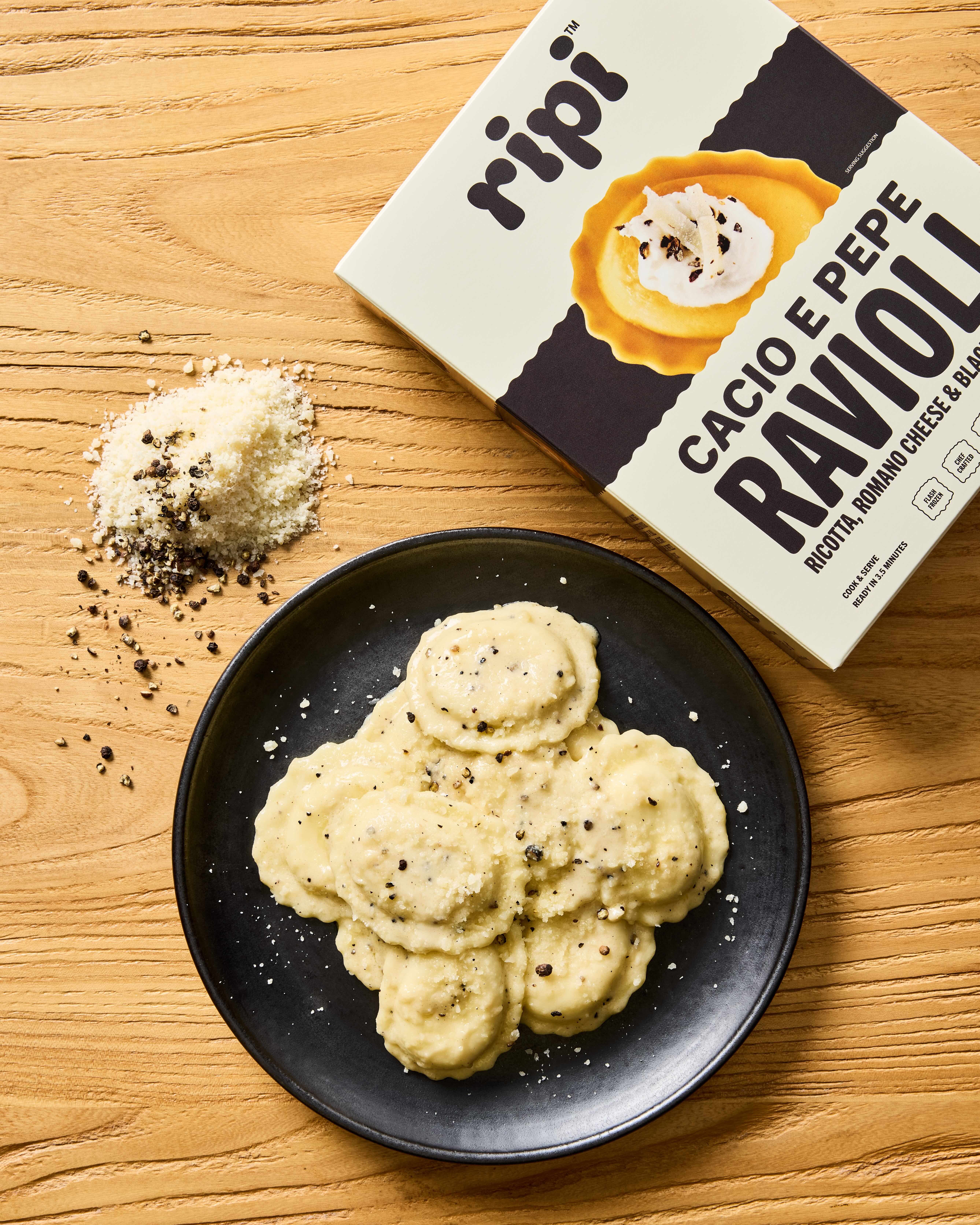
More recently we added a Cacio e Pepe ravioli as well.
For the parents in our community — people who care about ingredients but are also juggling busy lives — what do you hope Ripi actually gives families beyond convenience?
The biggest thing I hope it creates is a shared family meal. A lot of parents end up cooking one meal for the adults and another for the kids. That can be exhausting. Our goal is to make something that everyone at the table actually wants to eat together.
At the same time, we’re trying to change how people think about frozen food. For decades, frozen pasta has been associated with value brands and convenience products. Those products still have their place. But we believe the freezer aisle can also be a place where you find truly great food.
You’re building a fast-growing company while raising two very young kids. What does that balance actually look like day to day?
My daily schedule is intense, but I try to structure my day so I can spend time with my family in the morning and evening. I’m with my kids early in the day, then I go to the office, and I usually come home in time to cook dinner and do bedtime with them. After that, I often work again later at night.
It’s a lot, but I feel incredibly energized by what we’re building. And I’m very lucky to have an amazing partner. None of it would be possible without my wife, who is the rock of our family and holds everything together at home.
If your kids look back one day at what you built with Ripi, what do you hope they take away from it?
I hope they see the value of having an idea and actually pursuing it.
There’s a fortune cookie quote I once got that stuck with me: “Vision without execution is hallucination.”
A lot of people have great ideas, but they never act on them. For me, the feeling of never trying was far scarier than the possibility of failure.
Finally, we always like to ask this: is there a cooking technique you think every home cook should know?
A good marinade. People often think marinades take a lot of time, but they’re actually one of the easiest ways to elevate a meal. You can mix one together quickly, add your protein, and let it sit in the refrigerator. It adds depth of flavor without a lot of extra effort.