

Order Up! A Conversation with Jessica Lawson, Recipe Developer, Home Cook, and the Mom Behind Big Delicious Life
The Chicago recipe developer on busy minds, picky toddlers, the one rule her pediatrician taught her, and why AI is never coming for the family table.

Small Bites: 👨🍳 We ❤️ #LifeSkillsNow Summer Camp from our friends at Raising Healthy Families! Camp doesn’t officially start until June 8, but Katie Kimball and the Raising Healthy Families team have already opened up 15 early-access workshops you can dip into this month — everything from a teen learning what to do if pulled over, to a 5-minute clean-up routine that actually sticks. #LifeSkillsNow Season 5 is free to register. 👉 Grab your spot
🥔 One Potato is a reader-supported newsletter - Subscribe for weekly Order Up! interviews delivered to your inbox!

Jessica Lawson on letting dinner be ritual instead of performance
Jessica Lawson is the home cook and founder behind Big Delicious Life, (@bigdeliciouslife on Instagram), a recipe developer, a blogger — and also a landlord, a part-time nonprofit director, a consultant, and a mom to an almost-two-year-old who, on any given day, may or may not be a vegetarian.
She describes her own brain as a browser with seventy-five tabs open. The kitchen, she says, is the only place that quiets it down. At the stove, her attention narrows to one thing at a time — what she’s smelling, touching, hearing, tasting.
Our conversation moved through how she stopped being a short-order cook for a picky toddler, why dinner has become more about ritual than nutrition in her house, the case for ingredient prep over meal prep, the strange permission of the early pandemic, what it really felt like to turn the thing she loved into something that pays the bills, and why she’s not too worried about AI coming for food blogs (”AI will never be able to taste anything”).
When we talk to food people who are parents, we learn valuable lessons: that even when food is your whole life, feeding your kid still humbles you. Jessica isn’t pretending she’s solved it. She’s just figured out the meal doesn’t have to be perfect. The point is that everyone sat down together. The rest, as her pediatrician keeps reminding her, you can balance out by Friday.

A Conversation with Jessica Lawson, Big Delicious Life
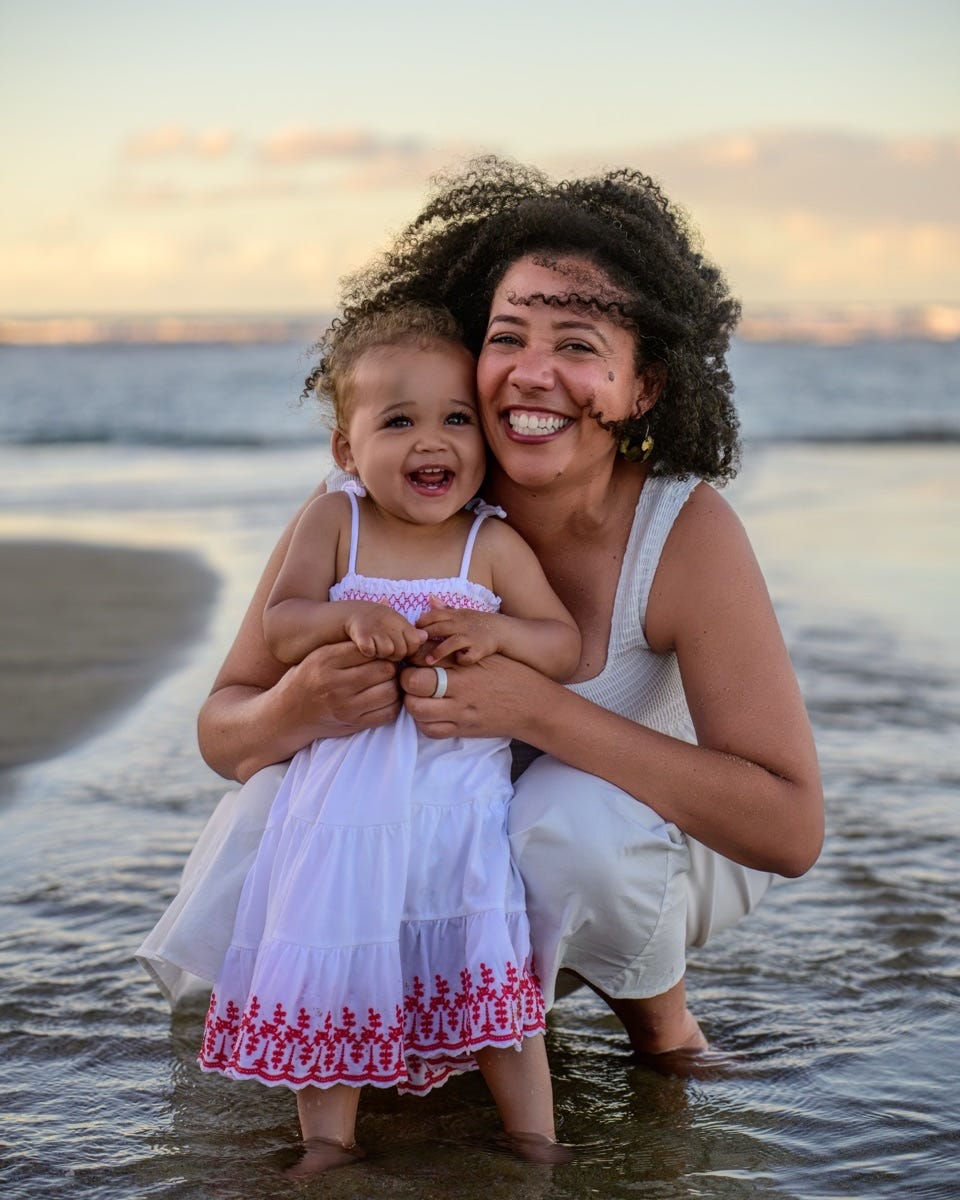
Introduce Yourself: I'm Jessica Lawson. I'm a home cook, a blogger, and a recipe developer. I live in Chicago with my husband, Matt, and my daughter, Leni — she’ll be two next month.
We also have our 100-pound Cane Corso, Mika. My background is actually in education and nonprofit management, but I've cooked my whole life.
Your grandmother didn’t cook from recipes. What did you absorb from watching her?
She was completely intuitive. I don’t ever remember her staring at a recipe or measuring anything. She’d say, “Cook it until it looks like this. Until it feels like this. Until it smells like this.”
That’s part of why I gravitated to cooking. My mind is always going — recipe development is one of about 8,000 things I do at once. I’m a landlord, a mom, I still run my nonprofit in the Dominican Republic part-time, I do consulting on the side. But when I’m cooking, it’s the only time I use all my senses on one thing. I don’t turn on the TV. Maybe a little music. I’m looking, touching, smelling, tasting, listening. Is it sizzling? It’s the only activity where my mind actually slows down.
Your grandmother’s pound cake shows up at every family gathering. Is there a dish like that you imagine becoming an anchor for Leni?
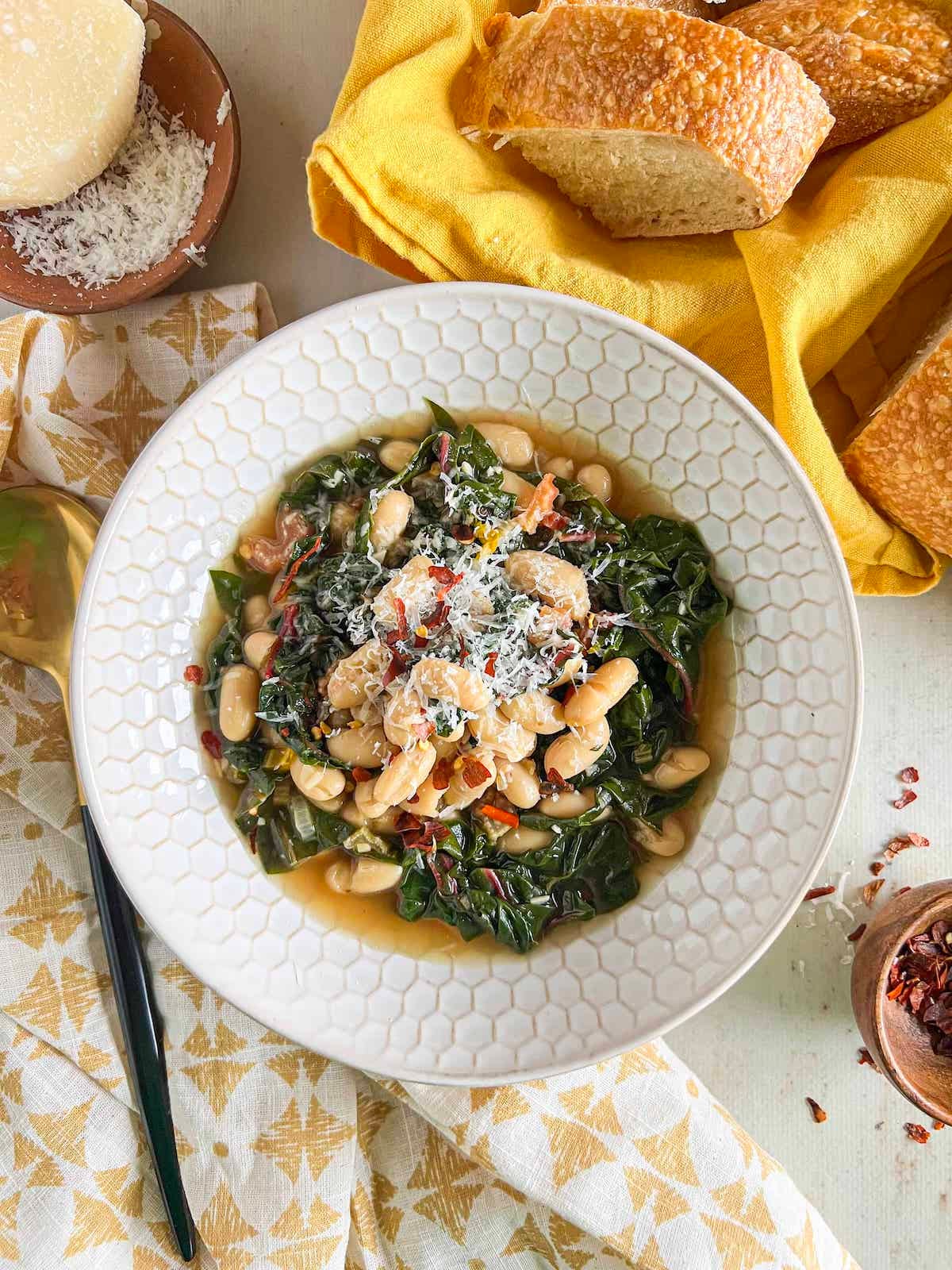
I don’t know if I have one yet — she’s almost two, and her preferences change daily. But we make a lot of soup, and beans show up constantly. Leni might actually be a vegetarian, weirdly. She loves beans, my husband loves beans, and so do I.
There’s a beans and greens recipe on my blog that’s almost embarrassingly simple — garlic, chicken broth, beans, charred greens. I make it at least once a week, sometimes more. Nobody gets sick of it.
When Leni’s old enough, what are you most looking forward to teaching her in the kitchen?
Mostly just having her in the kitchen with me. We have one of the little toddler kitchen towers for her to stand on, and Leni asks questions while I cook. When I involve her in the process, she’s more open to trying things.
Picky eating has been hard, but I’m not giving up. I keep putting everything on her plate. I’m trying to live by this rule — I can’t remember who said it — that our job isn’t to make them eat. It’s to provide what and when, and they decide if and how much. Easier said than done. Toddlers are very strong-willed tiny people.
What does dinner actually look like in your house? What surprised you about feeding a toddler alongside two adults?
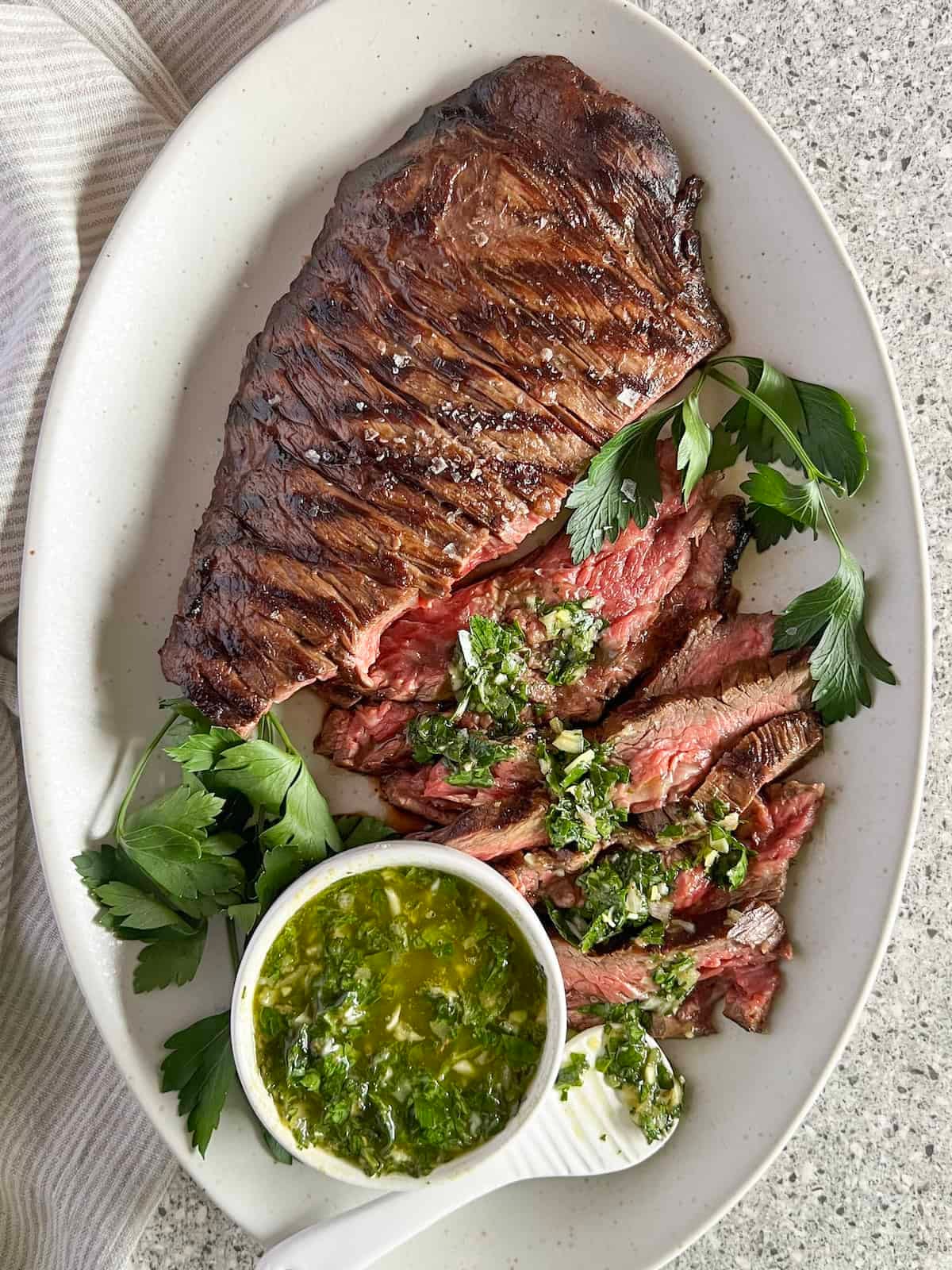
I try not to be a short-order cook. We might save the ribeyes for Friday after she’s in bed, but in general I’m making one meal. If something’s spicy, I’ll just take a few of the same components, prepared a little differently, so she has a version of what we’re eating. She’s also more likely to try something if she sees us all eating it together. If all she eats is bread, fine. Dinner is more about ritual — being together. She can leave it on the plate. The point is sitting down together.
So you’re looking at nutrition more holistically?
My pediatrician always tells me: focus on the week, not the day. I try to make sure breakfast and lunch are solid. Lunch is when she’s most hungry and there are other kids around — she goes to school three days a week, and they serve a kind of farm-to-table organic lunch. She eats 90 percent of it. If I served the same thing at home, it would end up on the floor. Peer pressure works.
Why do you think kids eat differently away from home?
At home, they know the fridge exists. They know there’s applesauce in there. They know there’s cheese. They can see the bread on the counter. And they do not give up. So you pick your battles.
At school, the food is the food, and that’s it until they get home. Just keep putting the plate down. Sometimes she eats it. Sometimes she doesn’t.
Was Leni always into beans, or did you build that habit? Any advice for parents trying to bring legumes into rotation?
I love beans. They’re versatile, affordable, filling, pantry-friendly, and there are so many kinds. You can turn them into a salad, a soup, a burrito, a dip — pretty much anything. Just keep offering them.
And don’t set the narrative out loud that “she doesn’t eat this.” Leni is extremely smart. If I say she doesn’t eat green vegetables, she’s going to agree with me.
Your philosophy is “healthy-ish — no restrictions.” What does that look like in practice, and what do you hope Leni absorbs?
Mostly, I focus on whole foods and fresh ingredients. But if it’s a meal salad with a little fried chicken and some cheese, that’s fine — there are still more vegetables in there than in a burger and fries. And the burger and fries is fine sometimes too.
Eat to feel good. Usually, when you feel good, you look good.
You’re known for “sneaky vegetables.” What’s a recent win — and what hasn’t worked?
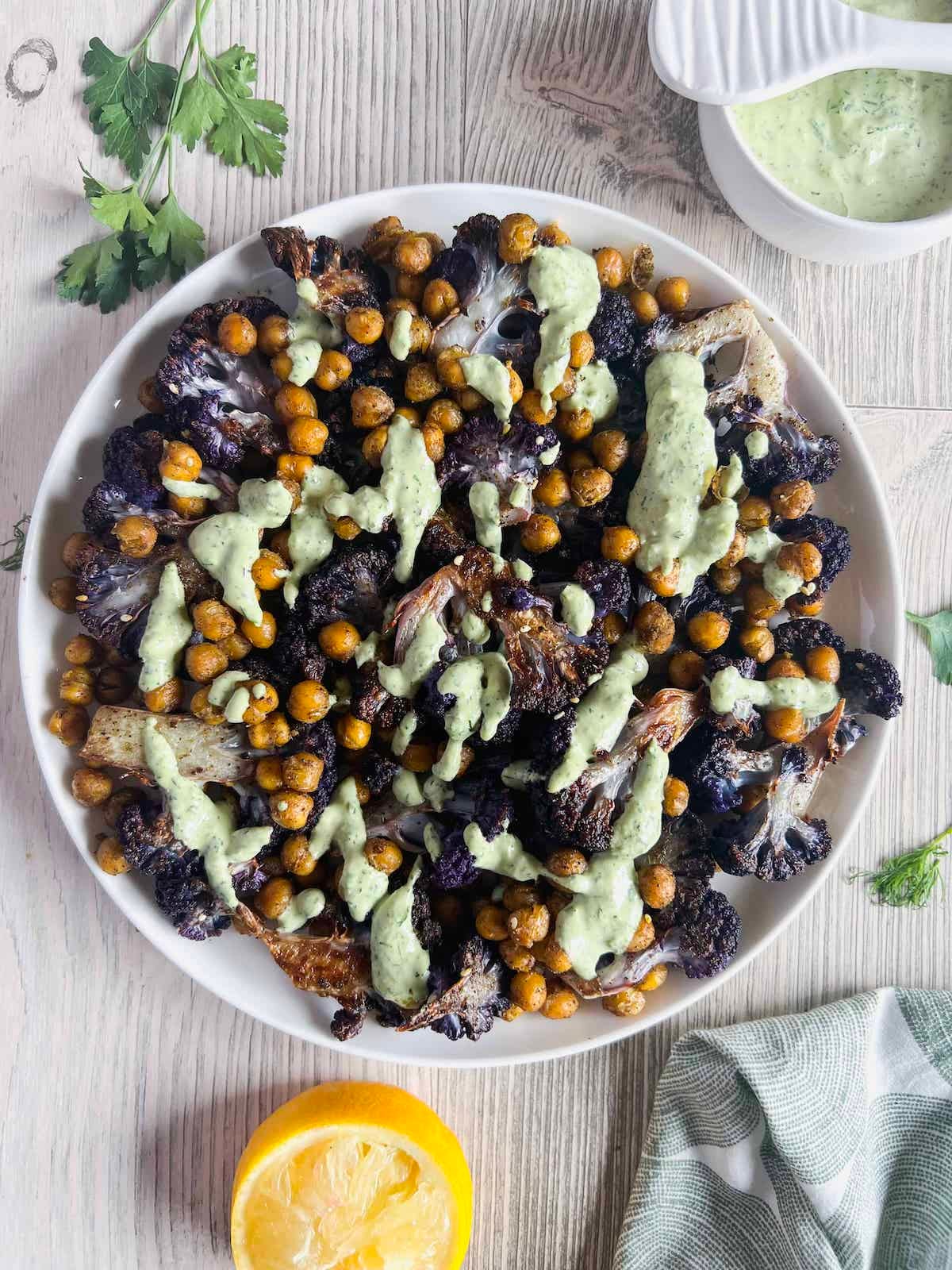
I’m rethinking “sneaky” actually. A chef friend told me once, “People who don’t like vegetables have never had them prepared correctly,” and that stuck with me. So less about disguising vegetables, more about putting them everywhere — in pasta, in salads, in soups — and finding ways to make them actually taste good.
Would I have eaten broccoli as a kid if it hadn’t been drowned in cheddar cheese sauce? Probably not. So if that’s how we’re doing it, that’s how we’re doing it. Nobody likes extremes. Nobody actually wants to eat only salad and smoothies for a week. It’s not sustainable, and it’s not enjoyable.
You say most of your recipes have readers shopping the perimeter of the grocery store. For a parent overwhelmed by that idea, what’s a realistic first step?
Ingredient prep — not meal prep. I take an evening or two a week to prep components. Things I can mix and match. Get a rotisserie chicken, throw it over a salad one night, make tacos the next.
This is what I told my sister, who just had a baby — if you’re making soup and you buy a bag of carrots, celery, and onions but only need a couple of each, chop the entire bag, sauté a big batch with a little broth, and freeze it. Next time you want soup, drop it in the pot, add stuff. Done.
And learn to store your produce when you get home from the store. Slice the cucumbers. Prep the celery and carrots. So when you want vegetables on a Tuesday night, you’re not chopping eight thousand things.
Make a batch of salad dressing too. A mini food processor, oil, vinegar, herbs, mustard. Better than store-bought, cheaper, lasts a week or two. You’ll never go back.

Big Delicious wasn’t supposed to be a career. What’s been the hardest part of turning what you love into something that pays the bills, and what have you wanted to protect?
I’m a queen of the pivot. Before this, I co-founded Mariposa, a nonprofit in the Dominican Republic, then came back to Chicago and spent five years at the local PBS station doing engagement work. By the end of 2019 I was burnt out, looking at having to job hunt in 2020 — and then the pandemic hit. Everyone started cooking, friends kept calling for recipes, and one night I drank an entire bottle of wine and decided I’d start posting my dinners on Instagram. That was Big Delicious. I didn’t make money for over a year.
There’s a misconception that food blogging is a hobby — a cute thing housewives do on the side. It’s absolutely not. Most people who try this never get to the point of monetizing.
Technology is always shifting. What was right last year is wrong this year. I started obsessing over photography. Then reels happened, and suddenly you needed to be on camera. Advertising changed. Now everyone’s buying everything on Instagram, there are influencers everywhere, and you don’t know who to trust. So you really have to be authentic.
Knowing what to say yes to and what to say no to was a hard lesson. The first time you get a paid offer, your instinct is yes. But — would I actually buy this product? Would I use it? It’s okay to say no to money. I learned that one the hard way.
And the bigger you get, the bigger the job gets — SEO, audience growth, email marketing, recipe testing. It’s too much for one person. The big bloggers aren’t really bloggers anymore; they’re employers. They have teams.
What I want to protect is recipes that actually work, and being honest with people. Everyone’s panicking about AI right now — AI recipes, AI scraping content. But here’s the thing: AI will never be able to taste anything. Everything is going to change. The one thing that’s been consistent since humans walked the earth is that we eat food, and we generally eat it together. That’s not changing.
Has anything from being on America’s Test Kitchen: The Next Generation carried into your weeknight cooking?
Reality TV is a lot. I’ve never felt that much pressure. We were filming during COVID — isolated in a hotel, away from family, with the lights and cameras right in your face. The challenges are real. You have a minute to decide what to make.
But being on the show, you learn how much you actually know and you learn to trust yourself. Cooking is a lot more forgiving than baking. I bake — but you won’t find layer cakes on my blog, because baking is scientific, and those people are real technicians. With cooking, if you have a general sense of what flavors go together and roughly how much of what, you’ll be fine. If you can read, you can cook.

What’s something about feeding a family you wish someone had told you before you became a parent?
How hard it is. My mom stayed home, cooked every night, packed every lunch, made breakfast every morning. My sister and I never understood why she made it sound like such a big deal. Now I get it. Deciding what everyone in your house is going to eat every day, for eternity, is a lot.
I love cooking for my family, but even I get burnt out. It’s not always glamorous. I don’t pull together beautiful meals every night for a husband and a kid who eat everything I make. That’s not how it goes here either. So letting go of some of the pressure, finding small ways to make it easier on yourself — that’s most of it.
What’s one cooking skill you use all the time that home cooks should practice?
Eggs. Knowing how to make eggs perfectly, in at least one way. They’re nutritious. You almost always have them. Most kids will eat them. Learn to scramble them well. Hard-boil them well. Make an omelet, a quiche, a frittata.
A frittata saves us at least one night a week — usually Thursday, when there are some sad vegetables in the fridge and everyone’s done with the week. Breakfast for dinner, all the food groups, a little fun. Friday or Saturday is takeout or a restaurant, and Sunday we’re back to meal planning.