


Small Bites: 👨🍳 Check out the Kids Cook Real Food eCourse so your kids can learn how to cook and not simply follow a recipe - give them the life skills to not only survive, but thrive! Our Bonus Recipes are always activities that you can do together!
Here’s a preview from KCRF: Request a free sample lesson of the “Kids Cook Solo” program, so you can see if it’s a good fit for you and your family!
You can find all of our BONUS Educational Cooking Activities & Holiday Recipes right here!
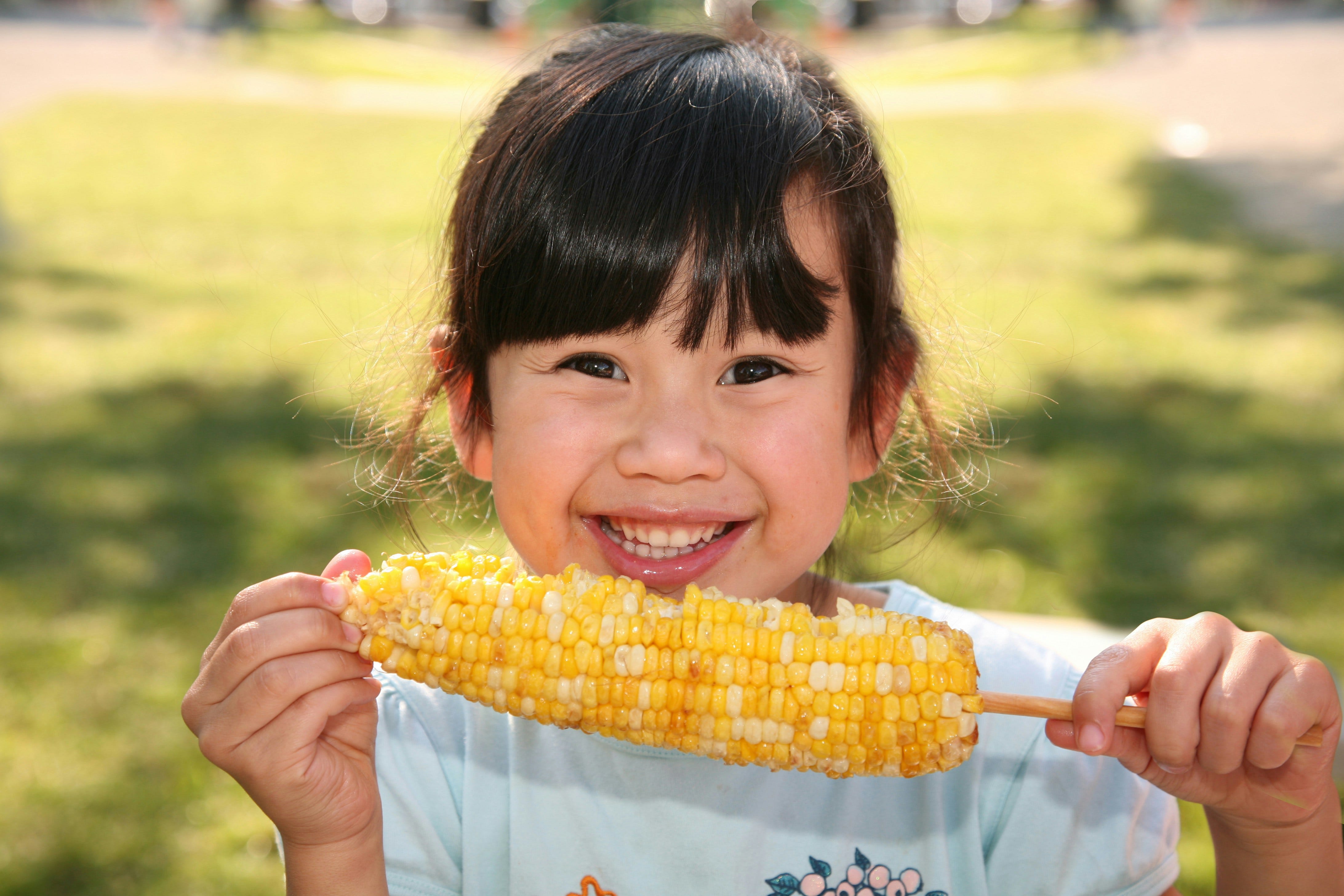
In many parts of the United States, Labor Day marks the last long weekend before kids go back to school, which usually means it’s the last major cookout and grilling weekend for the extended family. It's also peak corn season; sweet corn is harvested late summer into early fall, and it's at its sweetest the day it's picked, slowly trading sugar for starch after that. So a late-summer ear from a farm stand is genuinely one of the best-tasting things you'll cook all season.
This activity doesn’t add a project to that day. It just slows the corn down for a few minutes. You’re cooking it anyway, so before it all disappears under butter, you set a couple of ears side by side and taste what heat actually does to them. Raw and snappy. Boiled and tender. Grilled and a little toasty. Same corn, three different results.
No special supplies, no extra trip to the store, and nothing that has to be perfect. Let it be light. Here’s how to turn the cob into a low-key kitchen lab.
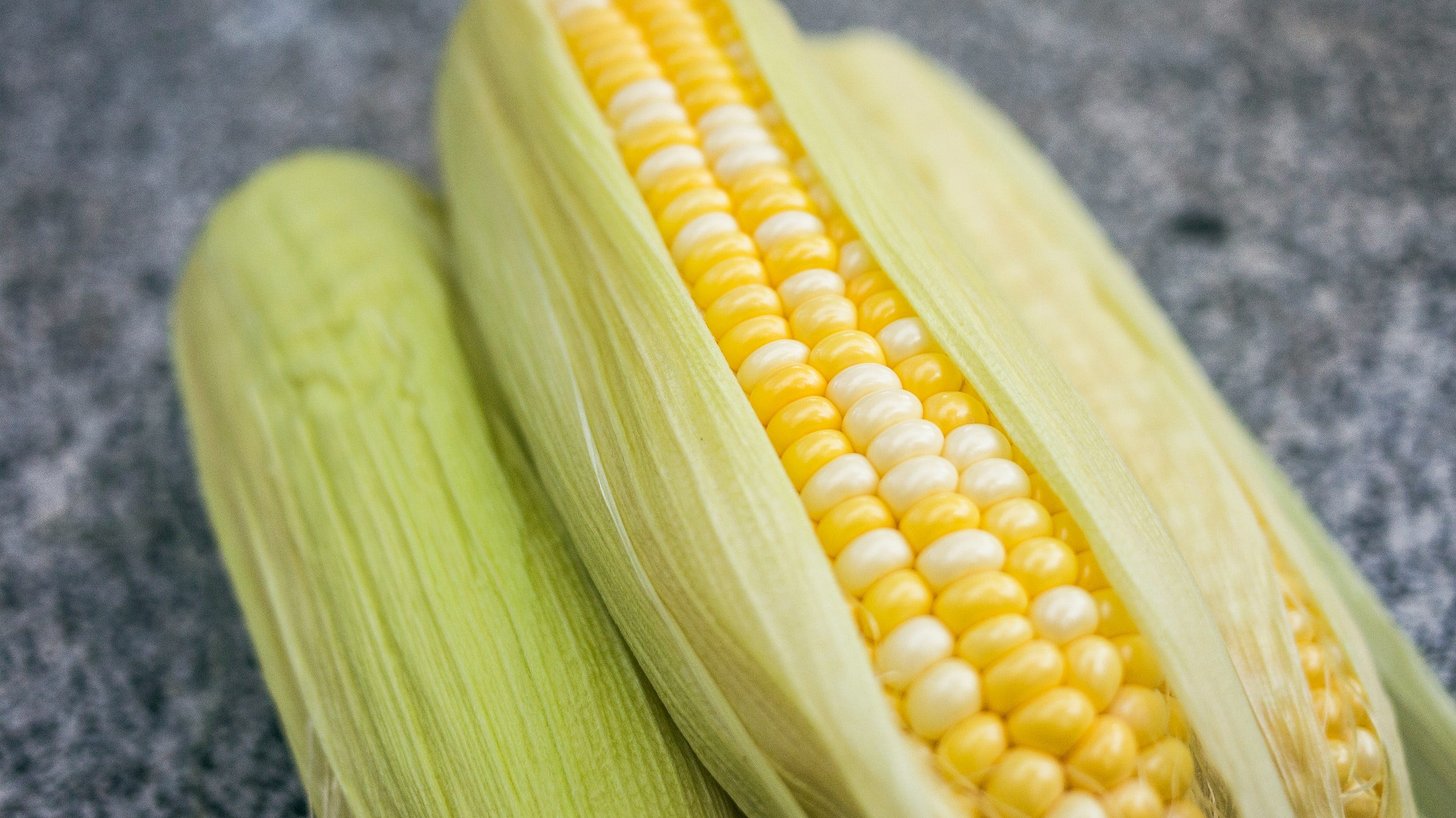
🌽 Labor Day Sweet Corn Lab: The Science of Heat, Sugar & Char
Click the button below for a downloadable PDF worksheet for the Labor Day Sweet Corn Activity, and read on to set it up:
Tools You’ll Need:
A pot for boiling, and/or a grill or stovetop grill pan
Tongs
A cutting board and a knife (adult)
Paper and a pencil, or the worksheet (optional)
Ingredients:
Fresh corn on the cob (2–4 ears — more if everyone wants to taste)
Butter and salt (for seasoning and eating the corn after — optional)
Learning Goals
This is science, cooking, and sensory play all on one cob. Kids get to see how heat changes the same ear three ways: raw and crunchy, boiled and tender, grilled and browned. Tasting them side by side also gives kids a reason to describe food out loud, reaching for words like snappy, milky, juicy, toasty, and sweet. That practice builds real confidence around trying new things and talking about what they notice.
The grilled ear is where the science lives. Boiling cooks corn in water, and water can only get so hot before it turns to steam, so boiled corn softens but stays pale and mild. A grill is much hotter and completely dry, and that high, dry heat makes the corn’s own sugars and proteins react and brown. This browning has a name: the Maillard reaction, the same process that gives toast, seared meat, and roasted vegetables their richer flavor. You can keep it simple for the younger kids: dry heat browns food, and browning is what makes it taste toasty and deep. And if they’d rather just taste and pick a favorite, that counts too.
Age Modifications
Younger Kids (Preschool–K):
Let them peel the husks and pull the silky threads, a great sensory job all on its own.
Use describing words together: crunchy, soft, sweet, toasty.
Taste one raw kernel and one cooked kernel, and say which one they like.
Middle Grade (Elementary):
Help decide what to compare: boiled vs. grilled is a good first test.
Track color and texture for each version on the worksheet.
Vote on the sweetest ear and the toastiest ear.
Older Kids (Upper Elementary–Middle):
Run the taste test and record the results like a lab.
Look at where the browning happens on the grilled ear, and explain why it tastes different.
Try the “corn clock”: taste a just-bought ear against one that’s been in the fridge a few days, and compare how sweet each one is.
Parent Notes
Corn is forgiving, which makes this an easy one to keep relaxed. If the grill isn’t happening, boiled vs. raw works fine (you really don’t need all three versions). Let kids run the tasting even if kernels end up scattered everywhere; that’s part of it. And if someone just wants to eat their corn with butter and skip the “experiment,” that still counts.
If you only do one thing: cut a few kernels off a raw ear and a cooked ear, taste them together, and ask “What changed?” That one question is the whole lesson. Keep the youngest kids on husking and tasting, the boiling and grilling stay with an adult.
Activity Flow
Husk it together (and make predictions). Peel back the husks and pull off the silky threads. Before cooking, ask: “What do you think happens to corn when we boil it? When we grill it? Which one will taste the sweetest?”
Set up your test. Keep one ear raw. Boil one. Grill one (or use a grill pan). Even two versions is enough (don’t feel like you need all three).
Taste the raw kernels first. An adult slices a few kernels off the raw ear. Try them: are they crunchy, milky, sweet, or a little starchy? This is your starting point.
Boil an ear. Drop it into boiling water for 3–5 minutes. Watch the color turn brighter and more golden. Notice how the kernels soften.
Grill an ear. Lay it over the heat, turning with tongs, until some kernels brown and blister. Point it out: that browning is exactly where the toasty, sweeter flavor comes from. (The grilling and the boiling tasks stay with an adult.)
Line them up and taste. Try raw → boiled → grilled, side by side. Pause and talk: “Which is sweetest? Which is toastiest? Which is juiciest?”
Pick a winner. Choose a favorite and say why. There’s no right answer here — just what tastes best to you.