

Order Up! A Conversation with Leigh Ann Chatagnier, Mom, Modern Cajun Cook, and Cookbook Author
Leigh Ann talks teaches us about the holy trinity (of ingredients, that is!), her 80/20 rule, and sticking with the basics

Small Bites: A free summer camp that fits inside the cracks of your week: Katie Kimball’s #LifeSkillsNow Season 5 is back with 100+ workshops and over 70 experts. Your kids dip in, learn one real-life skill, then go off-screen to actually try it. 👉 Register free
Books, Books, Books - by Leigh Ann Chatagnier
Modern Cajun Cooking: 85 Farm-Fresh Recipes with Classic Flavors [Bookshop, Amazon]
Natural Baby & Toddler Treats: Homemade, Nourishing Recipes for Baby and Beyond [Bookshop, Amazon]
🥔 One Potato is a reader-supported newsletter - Subscribe for weekly Order Up! interviews delivered to your inbox!
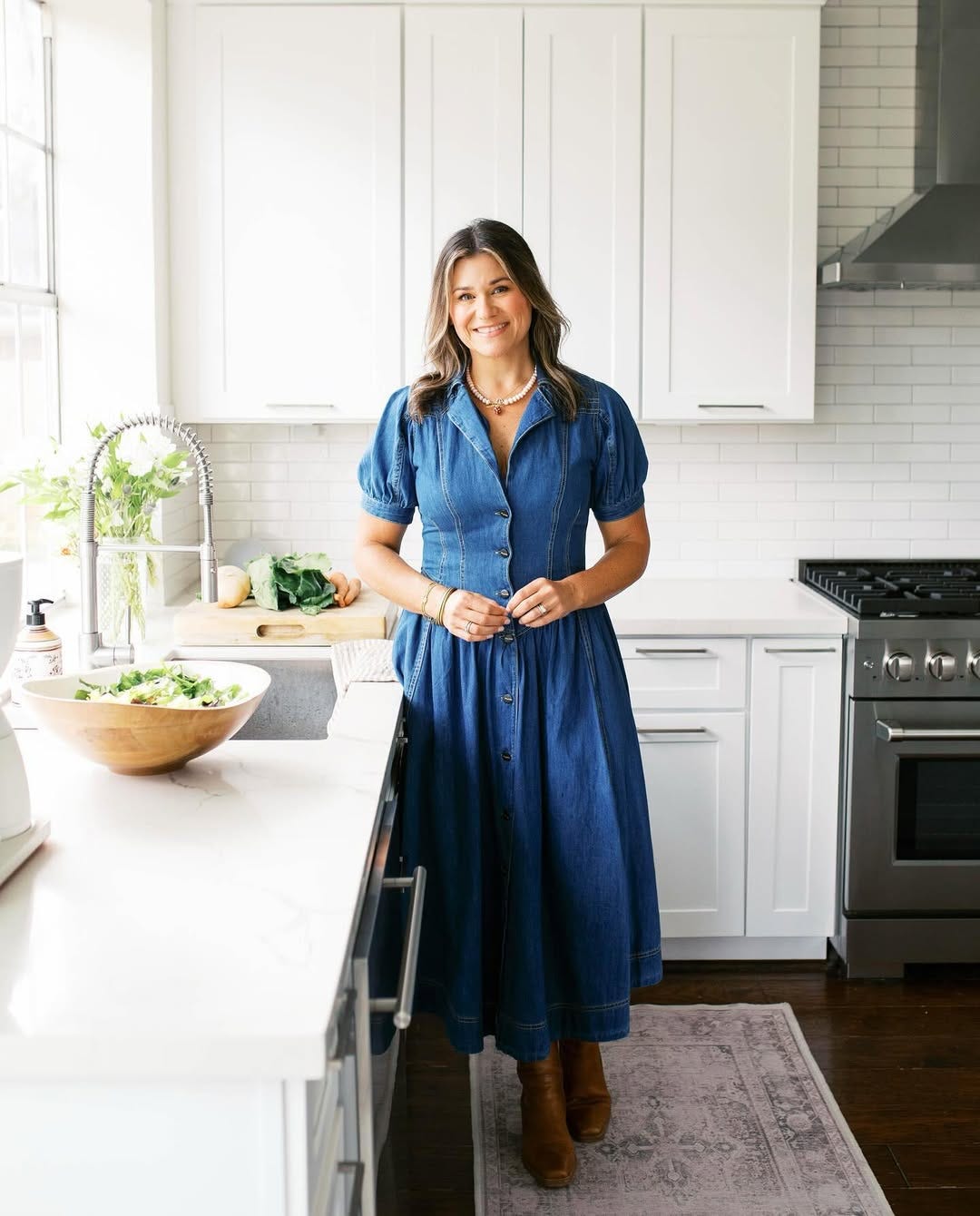
Every Year Is Different: Leigh Ann Chatagnier on the Long Game of Feeding Kids
Leigh Ann Chatagnier is the cookbook author behind Modern Cajun Cooking and Natural Baby and Toddler Treats and the writer behind My Diary of Us, which she started before blogging was really a thing. Her food is fresh, fast, and built around what’s in season. Her son Parks is ten. He loves Indian food and crawfish. He won’t eat rice, despite his Cajun heritage. Some nights, he just wants a chicken nugget salad.
In this One Potato interview, Leigh Ann talked to us about the Tennessee summer meals her mom made from the garden, the Louisiana decade that taught her the Holy Trinity, and the 80/20 rule she’s landed on now that Parks goes to friends’ houses and stops at Chick-fil-A after practice. There’s a soft case for getting a good knife. There’s permission to use pre-chopped butternut squash. There’s a chicken noodle soup that’s basically a hug.
When we talk about the family tradition and the recipes at the table, she names something most food people don’t: every year is different. Last year he ate it; this year he doesn’t. The goal isn’t perfection; it’s helping a kid grow into an adult who’ll try anything. All you can really do is keep cooking the basics well, keep offering, and let the rest go.
A special note from our friends at Raising Healthy Families:
A Virtual Camp That Gets Kids Off the Screen
The honest hesitation about a virtual summer camp is almost always the same one: another reason for the kids to be on the iPad. We share that hesitation, and so does Katie Kimball, which is why every #LifeSkillsNow workshop is built around a short, hands-on “mission” the kids do *after* they close the laptop.
That means a workshop on gardening sends your kid out to plant something. A workshop on car care sends them to the driveway to check the oil. A workshop on calm bedtimes turns into a try-it-tonight script. Season 5 has 100+ of these, completely free during camp week (starting June 8), with 15 early-access workshops you can start the day you register.
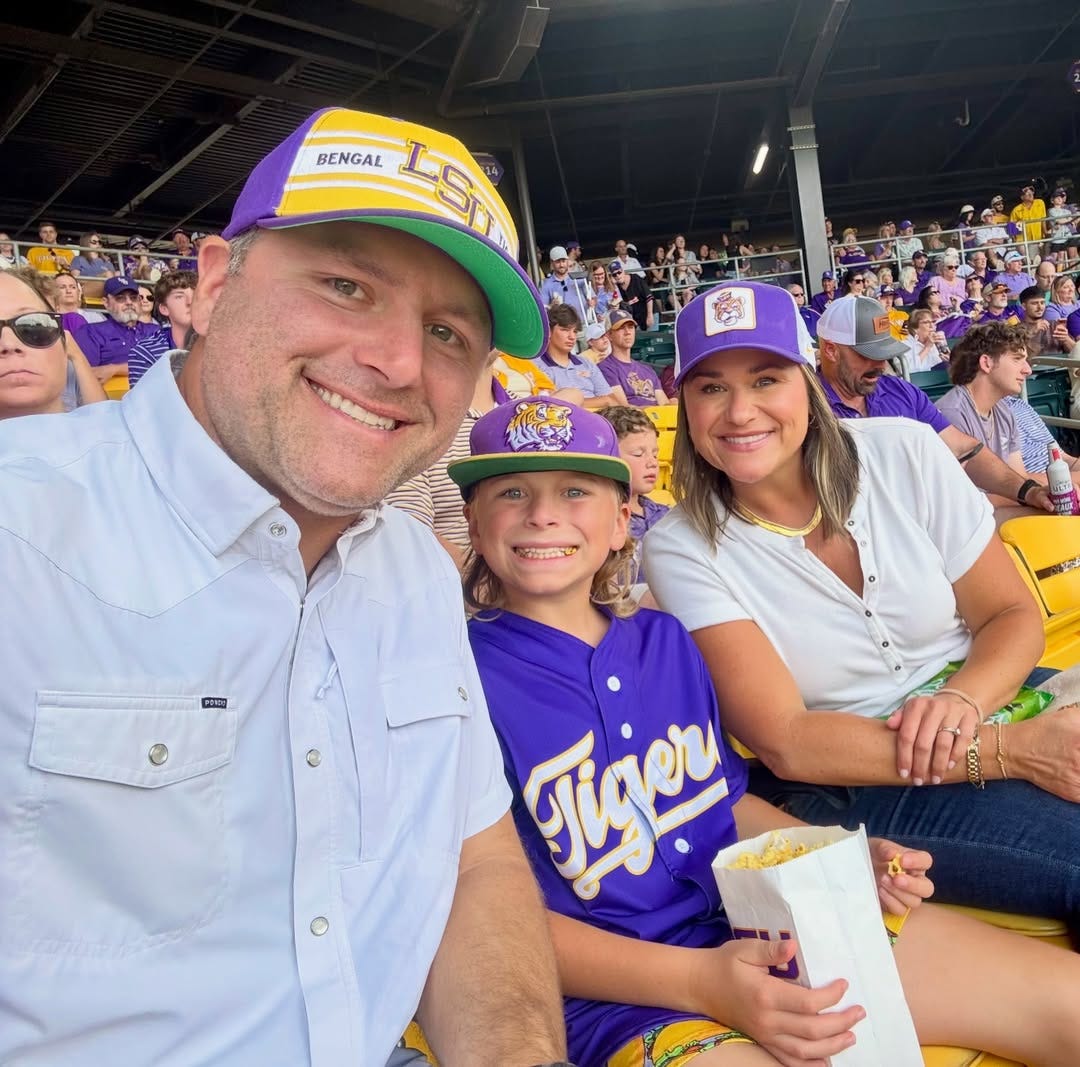
A Conversation with Leigh Ann Chatagnier, Cajun Food Writer and Cookbook Author
Introduce Yourself: I’m Leigh Ann Chatagnier. I’ve written four cookbooks, and I’m the recipe developer and food photographer behind My Diary of Us.
I live in Texas with my husband and my 10-year-old son, Parks. My first cookbook, Modern Cajun Cooking, came out when I was pregnant with my son, Parks. My husband is from Louisiana. We lived there for ten years before moving to Texas, so that book was my love letter to the food I fell in love with there. Right after Parks was born, my publisher asked if I knew anyone who wanted to write a baby and toddler cookbook (hint hint, nudge nudge). I was already developing recipes for him, and those recipes became Natural Baby and Toddler Treats, a book that goes from first bites to the family table.
Parks is an adventurous eater…but he also won’t eat a sweet potato!
What did meals look like in your house growing up in Tennessee?
My brother is diabetic, so my family ate pretty healthy my whole life. Back then, juvenile diabetes was managed mostly through food — it’s so different now — so my mom was always focused on protein, vegetables, and fiber. Everything was made from scratch. Biscuits. Garden vegetables.
One of my favorite meals from her was a summer dinner of fried pork chops, fresh tomatoes from her garden, pinto beans, squash, and raw onion on top. I don’t have that recipe written down anywhere, but it’s one I want to put on the blog this summer.
I don’t really have one signature recipe of hers that I make all the time. It’s more that I cook the way she taught me: grilled protein, whatever vegetables are in season, a good pasta dish. Her approach is the foundation. The recipes are mine.

How did you start learning the food side of your husband’s family in Louisiana?
His mom isn’t really a cook, but his dad is an amazing seafood boiler. They had a crawfish business his whole life. Most of what I learned about Cajun food, I learned just by living in Louisiana for ten years. Food is the center of every gathering down there. Birthdays, weddings, just hanging out, there’s always a pot of something.
I’d go places with him, eat things, and figure out which dishes I loved. By the time I was developing the cookbook, I knew his favorites. Modern Cajun Cooking isn’t specific recipes from his family. It’s the food we fell in love with together, and my spin on the classics.

Looking back at the strict, whole-food approach in your cookbook, anything you’d do differently now that Parks is ten?
Honestly, no. If I’d had a second kid, I would have had to be more lenient. I didn’t even let Parks taste sugar until he was two, which would have been totally unrealistic with an older sibling around. But I wouldn’t change how careful I was about real food early on.
What’s changed is what I can control. He’s ten. He goes to friends’ houses. He gets Chick-fil-A with his buddies after practice. So I’ve landed on an 80/20 rule: if he’s eating well at home eighty percent of the time, the other twenty percent is fine.
At home, I cook how I cook. If I make squash and onions and I know Parks won’t eat them, I give him the protein with avocado toast on the side. The goal isn’t that he eats everything I make at ten years old. The goal is that he’s an adult who’ll try anything. My husband grew up not eating particularly healthy and was way pickier than me when we met, and now he eats everything. That’s what I’m aiming for.
Is there a meal that surprises you that Parks loves, or one he still won’t touch?
He loves Indian food. This week I made tandoori chicken with gobi, which is yellow roasted vegetables, and he was into all of it. When he was a baby I used spices in his food, not heat but cumin and warm spices, and I think that’s why he doesn’t blink at those flavors now. We cook a lot of Asian and Indian food at home. We’d rather cook than eat out most of the time.
What still blows my mind is that he won’t eat a baked potato. Or mashed potatoes. Or rice, which is wild, because he has Cajun heritage. Rice is in everything down there. He’ll eat steak. He won’t eat a loaded baked potato to go with it. He doesn’t even really care about French fries. Take them away from him and he won’t notice. I will eat all the French fries, so that part hurts me personally.

Fresh and easy sometimes pull in opposite directions. How do you hold onto both?
It depends on the person. Some people don’t mind chopping. Some people will not pick up an onion. Both are fine.
What I tell people who say healthy cooking is too hard: it doesn’t have to be. The grocery store has chopped onions in the produce aisle now. There’s pre-chopped butternut squash. There are bags of stir-fry vegetables ready to go. Frozen vegetables have the same nutrients as fresh. There’s no rule that says you have to chop a butternut squash yourself for it to count.
So I try to listen to what someone means when they say easy. For one person, easy means no chopping at all. For someone else, easy means a meal that comes together in thirty minutes. Once you know what easy means for you, you can stop making excuses and start making dinner.
What does a regular Tuesday night dinner actually look like at your house?
Last night was burgers on the grill, oven fries, and corn. Monday was grilled chicken on a big salad, with avocado toast on the side for Parks, because he doesn’t love a salad unless it’s Caesar.
On rotation any given week: a grilled protein with salad, salmon with broccoli and rice or potatoes, taco night (which can be tacos, taco salad, or quesadillas depending on who’s at the table), burger night, and a good chicken salad. Easy, and on repeat.
Are you a Sunday meal-prep person, or a go-as-you-go person?
Go as I go. I cannot decide on Sunday what I want for dinner on Tuesday.
I can meal-prep lunches: boiled eggs, tuna salad, chopped vegetables for snacking. But dinner I figure out as I go. I usually shop Monday morning for two or three days, then shop again later in the week once I know what our weekend looks like.
What I do use Sunday for is a slow recipe, something I never have time for during the week. Homemade meatballs simmering all afternoon. Something in the crock pot. Not meal prep so much as a meal that gets to take its time.
For a parent who isn’t a confident cook, where should they start?
The basics. I did a whole back-to-basics series on Instagram a couple of summers ago: how to grill a chicken breast, bake a piece of fish, sear a pork chop, roast a whole chicken, cook pasta to al dente, make a good stock.
If you can do those things, dinner stops being intimidating. You can throw a piece of fish in a skillet and roast some vegetables, and that is a complete meal. People want to make casseroles and complicated stuff. You can make a really delicious dinner with a few good basics and the right seasoning. Get the basics down. Then you can start playing.

Cajun food can feel intimidating to start. Where would you tell someone to begin?
The “holy trinity” — onion, celery, bell pepper. Nine out of ten Cajun dishes start there. And a good Cajun seasoning. Mine is Tony Chachere’s. There’s a big shaker of it on my counter. I even put it on cucumbers.
Then pick one dish you love and make it. Don’t try to learn ten Cajun recipes at once. Pick your favorite, and master it. The first time might not be perfect. Cajun cooking takes attention, and a roux will burn if you walk away from it. But the next time it’ll be better. A lot of these dishes are weekend recipes for me now. They take time and love. That’s why they taste so good.

A recipe from Modern Cajun Cooking that Parks finally came around to?
Parks was a baby when the book came out, so he was too little to try anything then. Now? He loves the New Orleans-style barbecue shrimp, the saucy, French-bread-for-dipping kind, which is also one of my husband’s favorites. And he loves the gumbo. My husband says it’s Cajun approved, which is the highest compliment. Parks loves the andouille sausage in it. He’s come around to crawfish, too. He’s a full Cajun food kid now. Just don’t ask him to eat the rice on the side.
Beyond the food itself, what do you hope Parks remembers about how he was fed growing up?
That it was happy. That he was loved. The same way I remember the kitchen with my mom.
I’ve always had him in the kitchen with me, even just hanging out. I tell him he has to learn to cook, because he might not marry someone who cooks. I want him to leave for college with the basics.
And anytime he writes a school note about his parents, he writes about my cooking. Every time. I hope that’s something he carries with him.
Last one: what’s a cooking skill every home cook should practice?
Two, actually. Chopping, and the knife you chop with. I recently made my best friend, who’s not a confident cook, order a good knife while I was standing in her kitchen. She’d been telling me chopping was the worst part of cooking. Now she tells me she doesn’t mind it anymore. A good knife is the difference.
And cooking protein. How to cook a piece of chicken for example. People are afraid of chicken. They’re so scared of undercooking it that they overcook it into rubber. Or they undercook it and never want to eat chicken again. You have to get comfortable with how it feels, what your pan should sound like, when it’s ready to come off. That’s just practice.
Get good at chopping. Get comfortable with protein in general. And then just keep trying things. The more you cook, the more you trust yourself.