

👩🏼🍳 Order Up! A Conversation with Chef Mareya Ibrahim Jones, The Fit Foodie: Celebrity Chef, CPG founder, and mom
Chef Mareya on cultural roots, defining clean eating, picky eaters, and thriving after 50.

March is National Nutrition Month! We’re featuring interviews with food industry experts who are parents with a focus on healthy, nutritious goodness for feeding our families.
Small Bites:
Eat Like You Give a Fork: The Real Dish on Eating to Thrive by Chef Mareya Ibrahim
Try out Chef Mareya’s Superfood Sprinkle – Mouthwatering Blend of 13 Nutrient-Rich Superfoods with Black Cumin, Turmeric & Cayenne Pepper
🍽️ Make Family Meal Time Easier with Peas & Hoppiness Meal Planning App from our friend Ann Kent. Enjoy the confidence of feeding your family quality food while spending less time, money, and energy thinking about what’s for dinner! Use code ONEPOTATO30 for a 30-day trial. Download the Free Peas & Hoppiness Meal Planning Template
👨🍳 Learn more about the Kids Cook Real Food eCourse so your kids can learn how to cook and not simply follow a recipe - give them the life skills to not only survive, but thrive!
🥔 One Potato is a reader-supported newsletter - Subscribe for weekly Order Up! interviews delivered to your inbox!
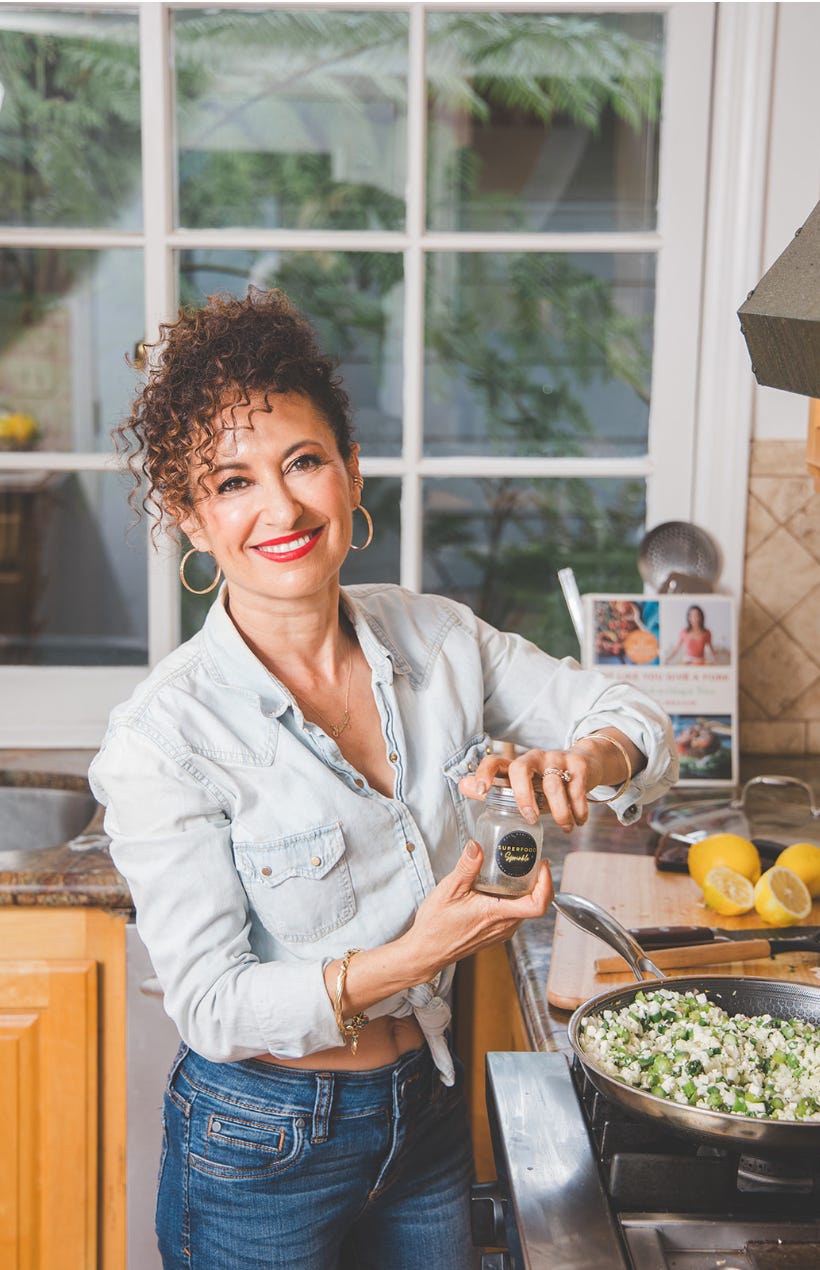
Food as Agency, Power, and Responsibility with Chef Mareya
Mareya Ibrahim Jones — known to many as Chef Mareya, The Fit Foodie — has spent more than 30 years in food. She’s been on television, written books, invented patented food safety products, launched Superfood Sprinkle, competed on Next Level Chef, and stepped onto a bodybuilding stage at 53. But more important than the list of all her accomplishments is the why behind it all.
Born in Alexandria, Egypt, Mareya grew up in a culture where food was daily connection: fresh food markets, multi-generational tables, and ingredients handled with care. Immigration to the U.S. changed that rhythm. Later, her father’s cancer diagnosis (and her husband’s own health history with cancer) made food safety, pesticides, and what we normalize in American convenience culture deeply personal. Clean eating, in her world, isn’t about trends. It’s about personal health and global responsibility.
In this conversation, we talk about reclaiming carbs after fear-based diet culture, raising kids who cook (one now in culinary school), navigating picky eaters without panic, and why midlife isn’t about shrinking — it’s about thriving.
If National Nutrition Month is about anything, maybe it’s this: food is power. And we get to decide how we use it.
A message from our friend Ann Kent, registered dietitian and mom who gets it:
Enjoy Family Dinner - Stress Free!
Enjoy nourishing meals and connect with your family around the dinner table without spending hours planning when you join the Peas & Hoppy Meal Guides.
Their customizable meal planning app features an easy-to-use app and made-for-you grocery list to save time and money with meal planning. We love it so much, we’re sharing it with you…and sharing a code for a 30-day FREE TRIAL.
👉 Start Meal Planning Now - use code ONEPOTATO30
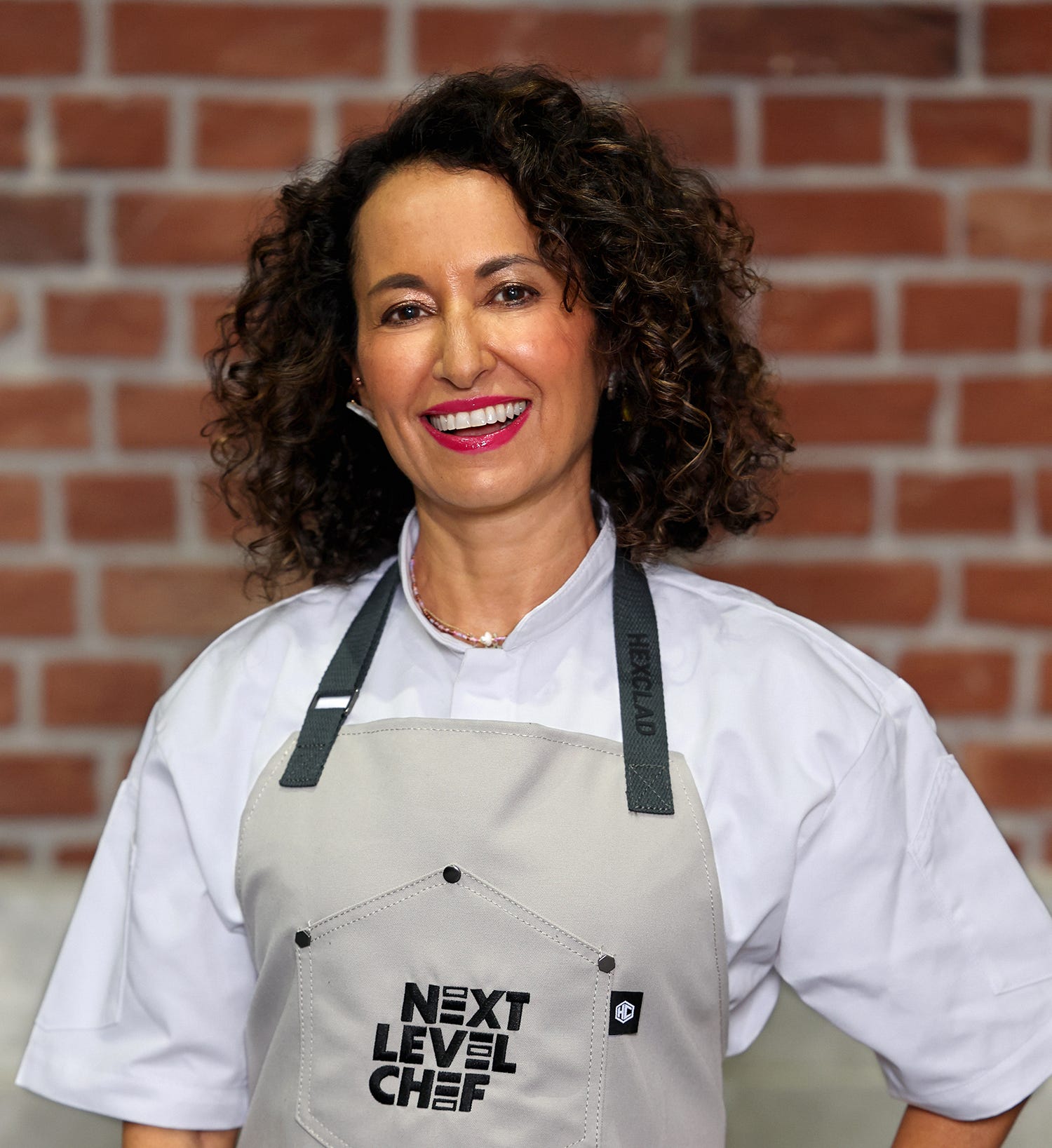
A Conversation with Chef Mareya Ibrahim Jones, The Fit Foodie
Introduce Yourself: I’m Mareya Ibrahim Jones, most people know me as Chef Mareya, The Fit Foodie. I was born in Alexandria, Egypt, and I’m the daughter of immigrants. I have five kids — two by birth and three by marriage — ranging in age from 20 to 26.
I’ve spent over 35 years in the food industry. I’ve written cookbooks, invented products, reported on food, traveled the world studying agriculture and culture, and built businesses at the intersection of food, fitness, and wellness. At the core of everything I do is one belief: food connects us. It’s cultural, emotional, biological, and it belongs to everyone.
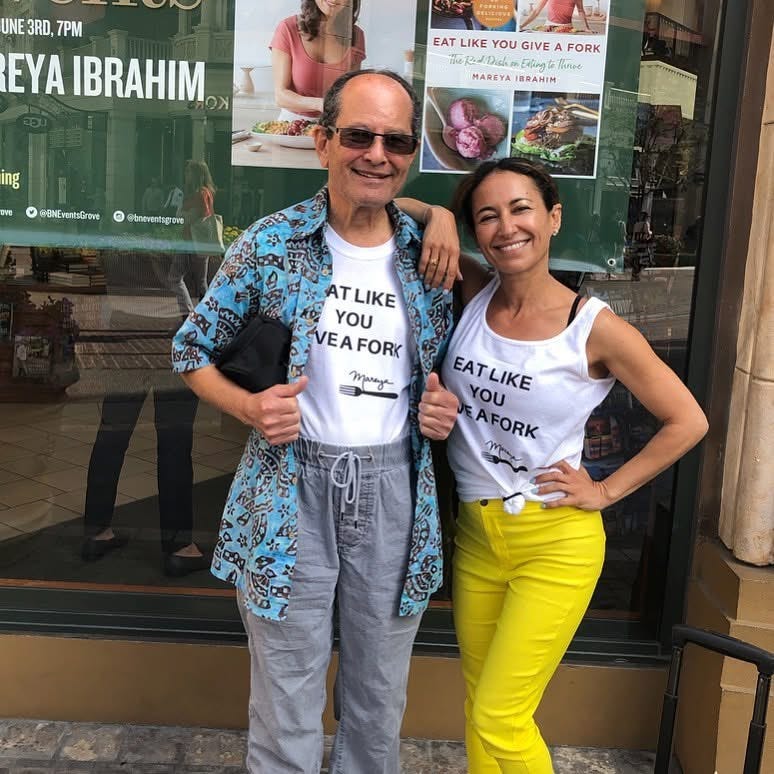
What Were Family Meals Like Growing Up?
Food was everything in my Egyptian upbringing. Gathering was daily. There were never fewer than ten people around the table.
We shopped the way people still do in many parts of the world, buying produce from the market, meat from the butcher, fish from the fishmonger, dairy from the dairy vendor. Food was fresh, alive, and deeply communal.
When we immigrated to the U.S., that changed. Suddenly we were in large, sterile grocery stores buying packaged food. The big family meals became rare. Food started to feel like a chore. That shift stayed with me, and I felt the loss of connection, the loss of vibrancy. And I’ve spent my career trying to bring that connection back and help others understand why it’s critical.

How Did Food Become More Than a Passion, But Your Life’s Mission?
Two things solidified it: my father and becoming a parent.
My first job out of college was with a natural grocery chain called Alfalfa’s Markets. These stores felt closer to how I grew up; the way they celebrated growers, producers, and real food.
Then my father was diagnosed with cancer. When you’re immunocompromised, food safety becomes critical. Doctors told him to cook everything thoroughly, which kills microbes but it also destroys enzymes and nutrients. I realized how much we rely on “dead food.”
My father was a biochemist researching how to remove pesticide residue and bacteria from produce. We combined his science and my food industry background to create EatCleaner — the first patented, all-natural system for removing pesticide residue and bacteria while extending shelf life. Food safety, waste reduction, and pesticide exposure became deeply personal.
Later, when I remarried, my husband (also a cancer survivor) shared how working with Roundup in landscaping likely contributed to his illness. These weren’t abstract issues anymore.
Becoming a mother made me look even more closely at our food system, especially exposure to pesticides, additives, industrialization, convenience culture. We don’t value food in America; we value convenience. That realization changed everything.
How Do You Define “Clean Eating” for Busy Families?
“Clean eating” has become a marketing phrase. To me, it simply means eating food as close to its natural state as possible.
It doesn’t demonize food groups. You can eat clean and eat bread, meat, dairy; but how those foods are grown and processed matters.
For families, it starts with planning simply. For example, think in volume and versatility:
Roast a whole chicken on Sunday.
Cook a pot of quinoa, brown rice, or beans.
Roast seasonal vegetables on a sheet pan.
In my culture — and in many cultures — beans and legumes are staples. Meat is often a seasoning, not the centerpiece. That perspective matters, especially when food prices are high.
One of my guiding principles is to “eat the rainbow.” Different colors support different systems in the body: red for cardiovascular health, greens for cellular health, oranges and yellows for immunity. You don’t need a degree in nutrition to understand that variety matters.
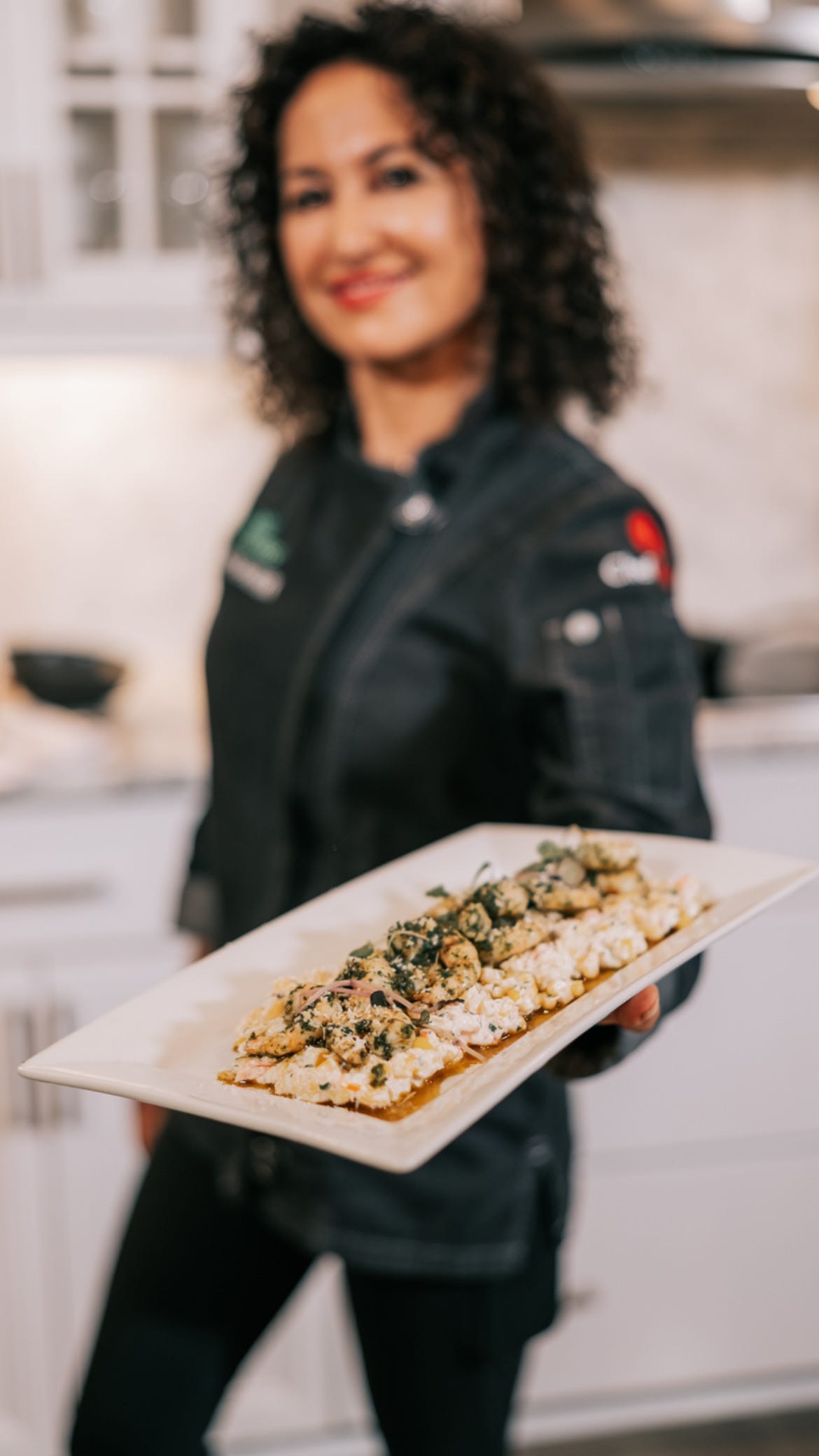
What’s the One Habit You Hope One Potato Readers Actually Practice?
Cook!
Eighty to ninety percent of the time, we should take responsibility for our food. Even simple acts such as roasting vegetables, cooking grains, broiling tofu, making chia pudding shift your relationship to what you eat.
Cooking is bonding. It’s cultural transmission. It’s emotional. My son, who was once my picky eater, is now in culinary school because he grew up in the kitchen with me. I handed him a bowl and a wooden spoon and let him be part of it.
Cooking isn’t just nourishment, it’s connection.
Is There a Dish That Carries Your Family’s Story?
Yes — molokhia. It’s a green Egyptian soup made with homemade chicken broth from boiling a whole chicken with onion and spices and a leafy plant rich in plant collagen called ‘mallow’ in English. The name means “of the kingdom” and it was a dish once reserved for Pharaonic royalty. Legend has it that Queen Cleopatra ate it daily.
When my daughter was little, it was all she would eat: molokhia, rice, and chicken. When she eats it now, she tears up. It carries memory, ancestry, and the presence of loved ones no longer with us. As immigrants, if we don’t hold onto those dishes, they disappear. Food preserves culture.
What’s Your Advice for Parents of Picky Eaters?
My son was extremely picky. Three things changed everything:
Get kids involved.
If they help make it, they’re far more likely to try it. Pride matters.Change the format.
Kids are often texture-sensitive. If they won’t eat sautéed spinach, try it raw. If they won’t eat broccoli, puree it into soup. Try it with cheese sauce. Who cares? Exposure matters more than perfection.Don’t give up.
It can take 20 exposures to decide whether we like something. Taste buds turn over every 30 days. Preferences evolve.
It’s not about age — it’s about conditioning. Kids in Japan grow up eating fish for breakfast. Kids in Egypt eat fava beans. You can recondition a palate. Start small. Build on bites.

What Do You Wish Women Understood About Midlife and Wellness?
We talk about menopause more now, which is good. But are we talking about thriving?
Midlife isn’t decline, it’s freedom. I may not look the way I did at 30, but I can be stronger, happier, more curious, and less concerned with approval. That’s the real gift of aging.
We are more than biology. We’re builders, caregivers, creators. I’ve taken up bodybuilding. I’m learning instruments. I’ve restructured my life to live multi-generationally with my father. In many cultures, that’s normal, families support both the young and the old under one roof.
We should be asking ourselves: What actually matters to me? And then do more of that.
Is There a Food Rule You’ve Released?
Yes, for sure! Fear of carbs… more specifically, grains. I went through a phase of eliminating them. Then during the pandemic, I started making sourdough and rediscovered how wholesome real bread is: flour, water, wild yeast.
There’s a difference between industrialized bread and traditional bread. Cultures have sustained themselves on grains for thousands of years. We shouldn’t demonize entire categories of food — we should understand context and quality.
What Cooking Skills Should Home Cooks Practice?
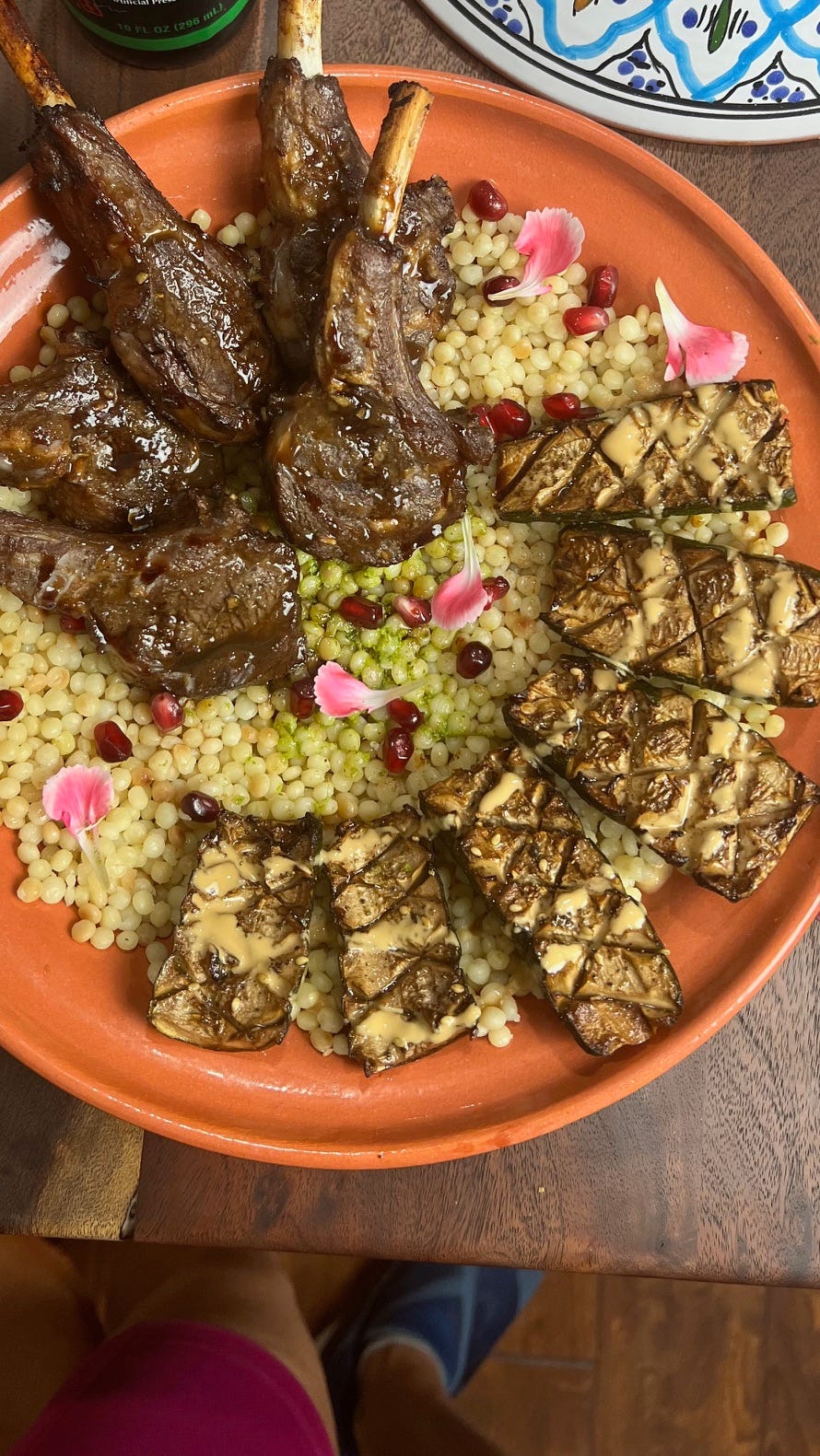
Grilling. It’s not just for men; you can think about the grill as an outdoor cooktop. Charcoal adds incredible flavor. It’s empowering and fun. Another one is poaching.
Poaching is gentle and versatile, you can poach chicken, fish, eggs and vegetables. You can poach in broth, vinegar water, or sauce. I recommend poaching eggs in spicy tomato sauce like a Shakshuka. It’s a light, flavorful way to cook that lets ingredients shine and still keeps it healthy.