

🥔 Food People, Parent Picks: Crystal's Favorite Things
Crystal Wahpepah on Indigenous ingredients, weeknight soup, and cooking from the land you’re on.

Food People, Parent Picks: we ask our favorite chefs, food writers, and industry insiders who we interview in our Order Up! Series to share the products, books, and bites they can’t live without.
🥔 One Potato is a reader-supported newsletter, make sure you subscribe to receive our Order Up! interviews every week in your inbox.

Earlier this week in our Order Up! conversation, Crystal Wahpepah talked about building her restaurant, writing her new cookbook A Feather and a Fork: 125 Intertribal Dishes from an Indigenous Food Warrior, and carrying Indigenous foodways forward with intention and pride. If you haven’t read that interview yet, go back — it offers important context for how she cooks, leads, and feeds her community.
Today, we’re getting practical. From the one cookbook she returns to again and again, to the three pantry staples she always keeps on hand, to the humble tool she swears by, Crystal shares the ingredients and habits that make her kitchen work.

One cookbook you return to again and again?
The Corn Dance by Loretta Barrett Oden [Bookshop, Amazon]. I go back to it constantly, maybe a little too much. It’s so precise and beautifully executed. The recipes say so much about the generations behind them. I also revisit food sovereignty books, depending on what phase I’m in. But The Corn Dance is the one I always return to.
Three Indigenous pantry staples you always have on hand?
Maple sugar.
Hand-harvested wild rice.
Dried corn.
Those three are non-negotiable for me.
One ingredient that instantly changes a dish?
Berries. Indigenous berries especially. There’s so much you can do with them; they can be sweet or savory, used in sauces or as toppings. A lot of people don’t realize how versatile they are. That’s why I highlight them in the book.
One kitchen tool you truly rely on?
A spoon! That’s it. A spoon does everything.
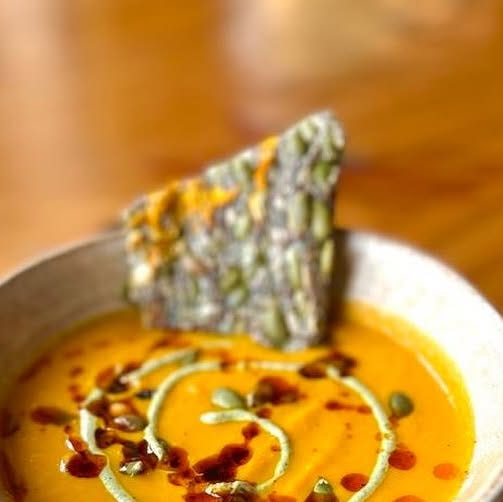
When your daughters were younger, what did a busy weekday meal look like?
Soup. Always soup. I have three daughters. Two still love soup. One asks, “Mom, are you making that soup again?” Soup is such a good starting point. For example, you can make wild rice soup with vegetable stock, you can truly use whatever you have on hand.
Any time-saving shortcuts?
Meal plan. I don’t always love doing it, but it makes a difference.
And use what you have. Don’t rush to the store. Don’t overthink it. Sometimes we get picky and want something specific. I’ll tell my family, “This is what we’re working with today.” That mindset alone saves time.
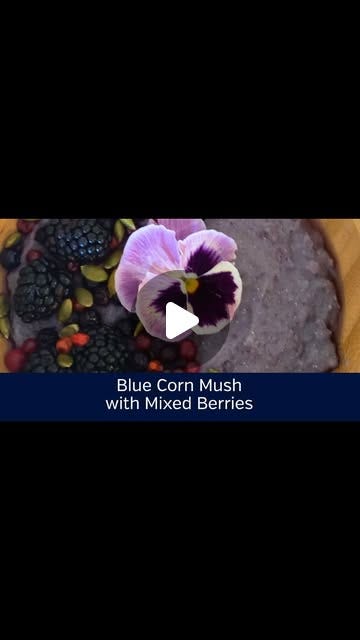
A dish that consistently brings people together?
Our blue corn mush. It’s simple, but you can build on it however you want so it’s really adaptable, and people love it. If you need something fast, you can top it with whatever you have.
A book or practice you recommend for helping kids understand where food comes from?
I love medicinal plant books — books that explain how foods connect to the land and to healing.
And I’m always in independent bookstores. I love seeing what’s new on the shelves. That’s my go-to. Walk into a bookstore and see what’s emerging, especially around Indigenous foodways.
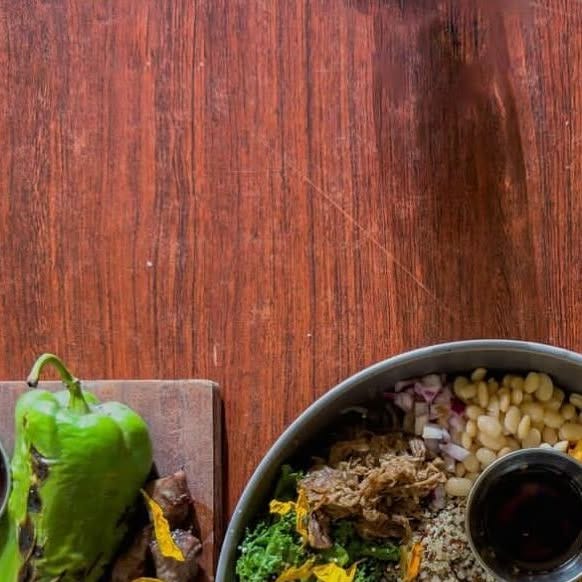
From A Feather and Fork: where should someone start?
Start with the Three Sisters. It’s on the cover for a reason. It’s seasonal and flexible. A great entry point.
For families with younger kids or pickier palates? The chia pudding. You can rotate the berries depending on what’s in season. I use chokecherry when it’s available in July and August, but you can swap in any berry. Kids love berries, and chia makes it fun and nourishing.
One dish that feels like a true reflection of you?
The sweet dried corn soup in the book. If you want to taste who I am, make that recipe.
What do you wish more families understood about Indigenous foodways?
Our foods have always been here. They’re not new. They’re not trends. These recipes have existed for thousands of years.
It just so happens that now they’re showing up in cookbooks and on the forefront now, and that’s the exciting part. People are saying, “Oh, I didn’t know that.”
But this knowledge has always been here.
Anything else you want families to know?
Learn whose land you’re on. Explore the foods that are native to your region. That’s where the connection starts.